What Is Pu-erh Tea in Simple Terms
Hi! We are Yara and Denis. We’ve been living in Egypt for several years and know it inside and out. We started promoting Chinese tea culture here and decided to write a series of articles that will be useful for anyone just beginning to explore this fascinating world.
Introduction
Many people have probably heard of Pu-erh tea. Pu-erh is neither moldy tea nor tea with added ingredients—it is a unique category of Chinese tea with its own traditional production method.
The name “Pu-erh” comes from the city of Pu’er in Yunnan Province, which historically served as a major trading center for this tea. Over time, the name came to represent an entire category of teas now known around the world as Pu-erh.
Some people say Pu-erh gives you a powerful feeling, others claim it tastes like fish or earth, and some have heard that it can be aged for decades like a fine wine. Our own tea journey started with simple Shu Pu-erhs, and today we enjoy treating ourselves to the rich, layered flavor of a twenty-year-old Sheng Pu-erh.
By the way, if you’d like to learn about other types of Chinese tea, check out our article: “How to Start Drinking Chinese Tea Without Getting Confused.”
What Is Pu-erh Tea
Today, Pu-erh is one of the most popular Chinese teas, produced in Yunnan Province. Thanks to its unique fermentation process involving naturally occurring microorganisms, this tea can be aged for many years, allowing it to mature gradually and reveal its full depth of flavor and aroma over time.
However, not all Pu-erh has to be aged. Many young Pu-erhs also offer a vibrant and fascinating flavor.
Pu-erh tastes very different from the tea bags most people are used to. That’s why beginners often struggle to appreciate the delicate flavor of young Sheng Pu-erh or, on the other hand, are surprised by the rich earthy character of Shu Pu-erh.
If you fall in love with Pu-erh, it can easily become a great alternative to coffee. Many people appreciate it for providing gentle, steady energy and helping them stay focused without the sharp stimulation that coffee sometimes causes.
Types of Pu-erh
Sheng Pu-erh
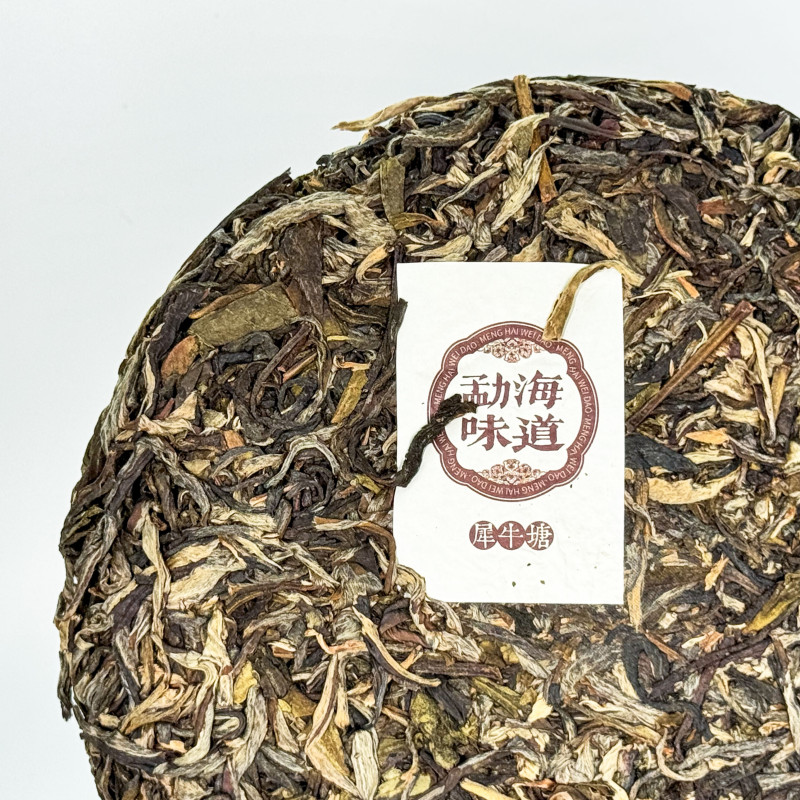
Sheng is the traditional form of Pu-erh. During production, the natural oxidation of the tea leaves is halted, allowing the microorganisms living on the leaves to continue slowly transforming their chemical composition. This process is called post-fermentation and can continue for decades.
Young Sheng Pu-erhs often resemble green teas. They have a fresh flavor, floral aroma, and a light astringency. They also help clear the mind and improve focus, making them an excellent choice for morning or daytime tea sessions.
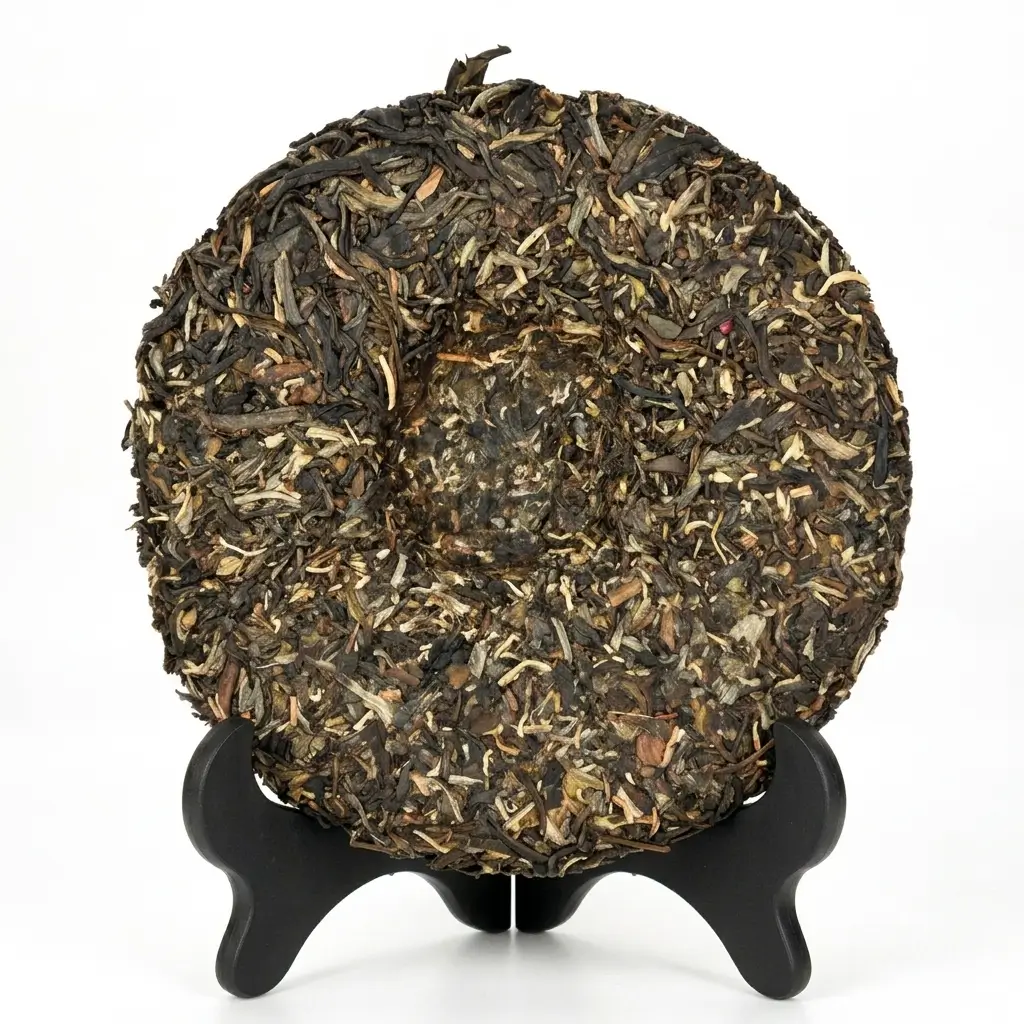
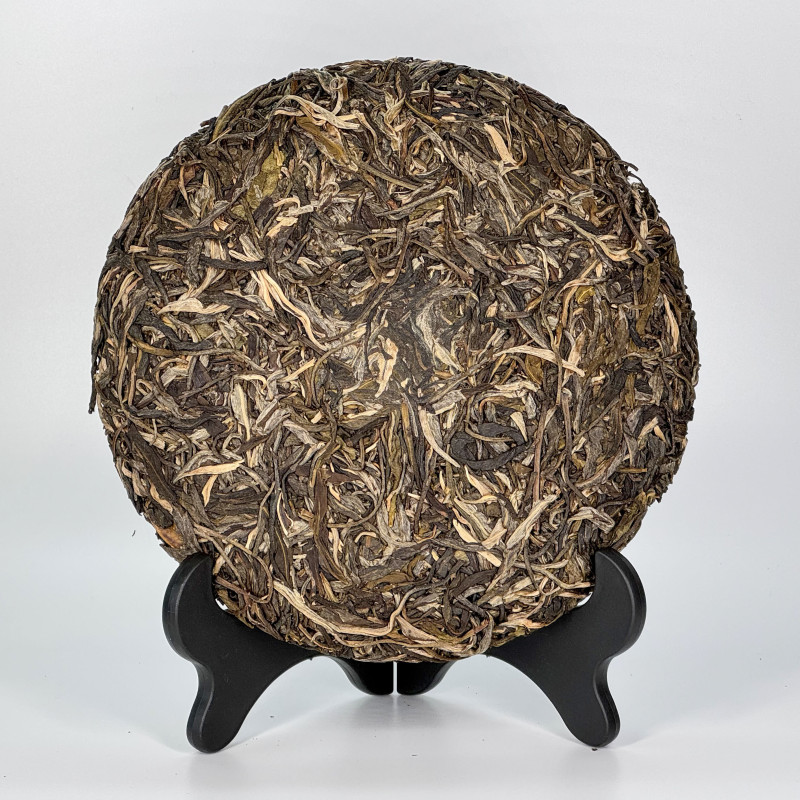
As Sheng Pu-erh ages, it darkens and develops a deeper, more complex flavor. The first infusions often reveal grassy freshness, while later infusions gradually bring out notes of wood, dried fruits, and nuts. A genuinely well-aged Sheng Pu-erh can be quite expensive.
Shu Pu-erh
As Pu-erh became increasingly popular in the 1970s, a new production method was developed that made it possible to create a tea similar to aged Pu-erh in just a few months after harvest. This technique is known as wet piling.
In simple terms, the tea leaves are piled into massive heaps weighing several tons and kept in a warm, humid environment. This activates the same microorganisms involved in the natural post-fermentation of Sheng Pu-erh. Once the desired level of fermentation is reached, the leaves are dried, resulting in Shu Pu-erh.
Shu Pu-erh is known for its dark, rich infusion, with flavors that often include notes of nuts, wood, and earth. It is very forgiving to brew and provides steady energy. Many people describe its effect as smoother and gentler than coffee, which is why Shu Pu-erh is often chosen as a favorite coffee alternative.
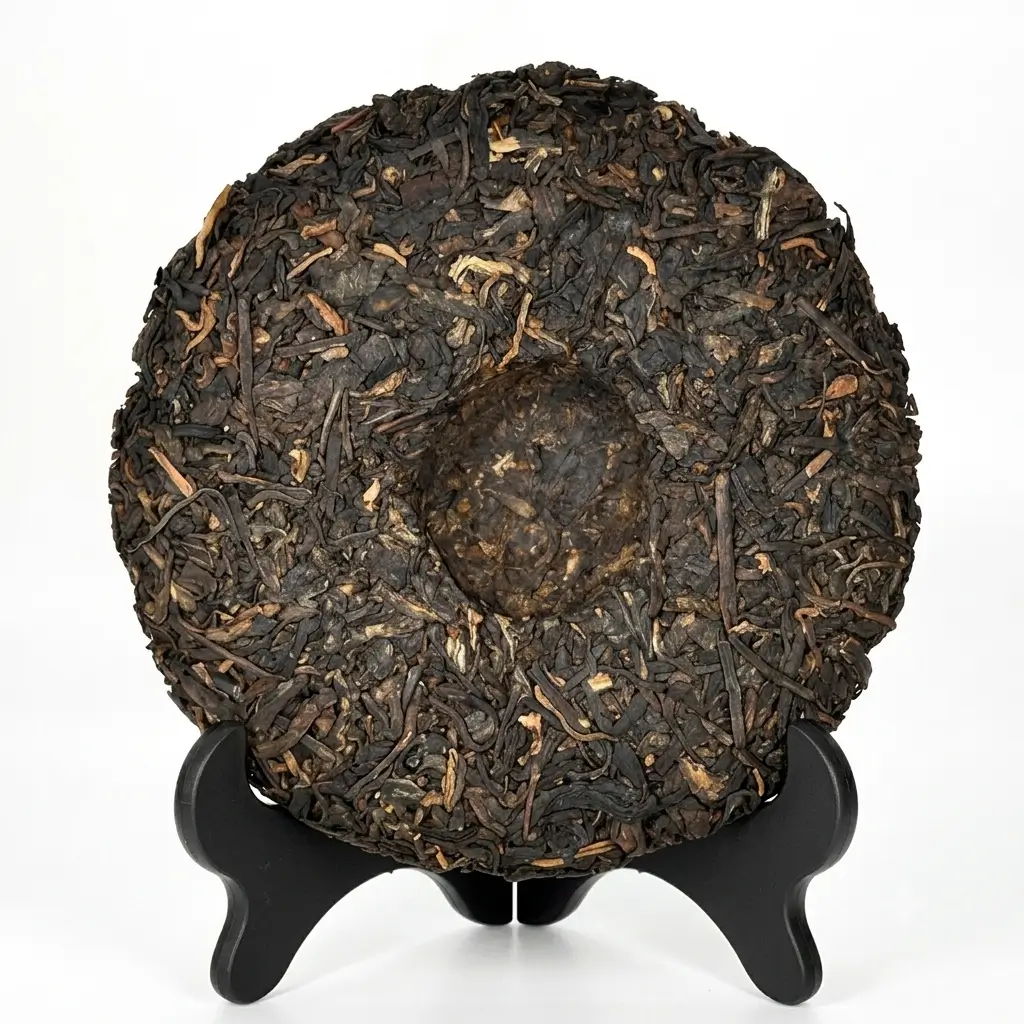
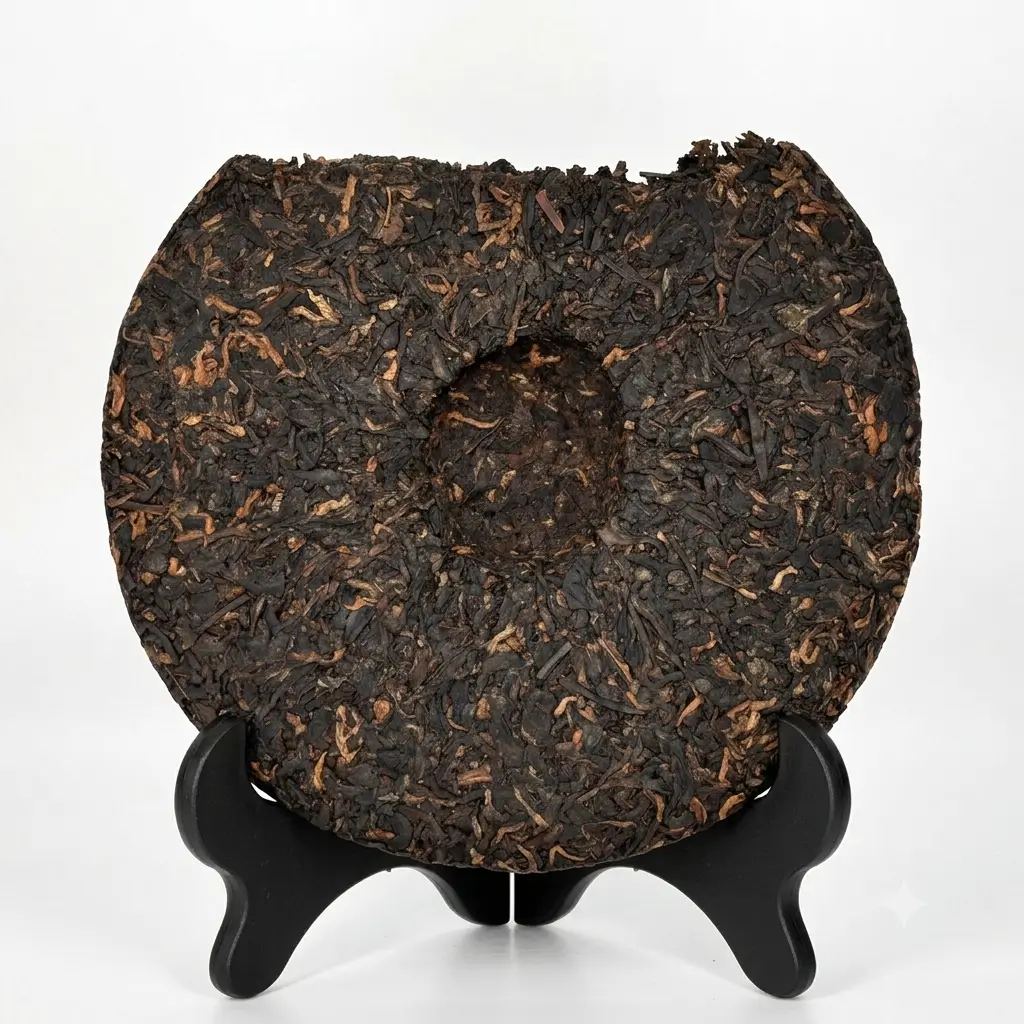
One day, a large group of friends came over, and rather than making the brewing process complicated, we simply brewed Shu Pu-erh in an ordinary cooking pot. It didn’t ruin the atmosphere of the tea gathering—or the taste of the tea—in the slightest.
How to Brew Pu-erh Properly
Young Sheng Pu-erh doesn’t respond well to very hot water or long infusions. Try using water at 80–85°C and keep the first infusions to 15–20 seconds. Some young Sheng teas require an even gentler approach. If the tea becomes too bitter or overly astringent, lower the water temperature and shorten the brewing time.
More mature Sheng Pu-erhs can be brewed with water at 85–90°C, depending on their age. They tolerate longer infusions better and reveal more layers of flavor and aroma with each successive brew.
Shu Pu-erh brews perfectly with boiling water. Unlike most other Chinese teas, it doesn’t have to be prepared using the multiple-infusion method. You can simply put 2–3 grams of Shu Pu-erh into a regular mug, pour boiling water over it, and brew it like any ordinary tea. It’s also convenient to brew in a 1-liter thermos, using about 5–7 grams of tea. This method is ideal for work, travel, or walks.
If you’d like to experience the full range of flavors, the multiple-infusion method works wonderfully for Shu Pu-erh as well.
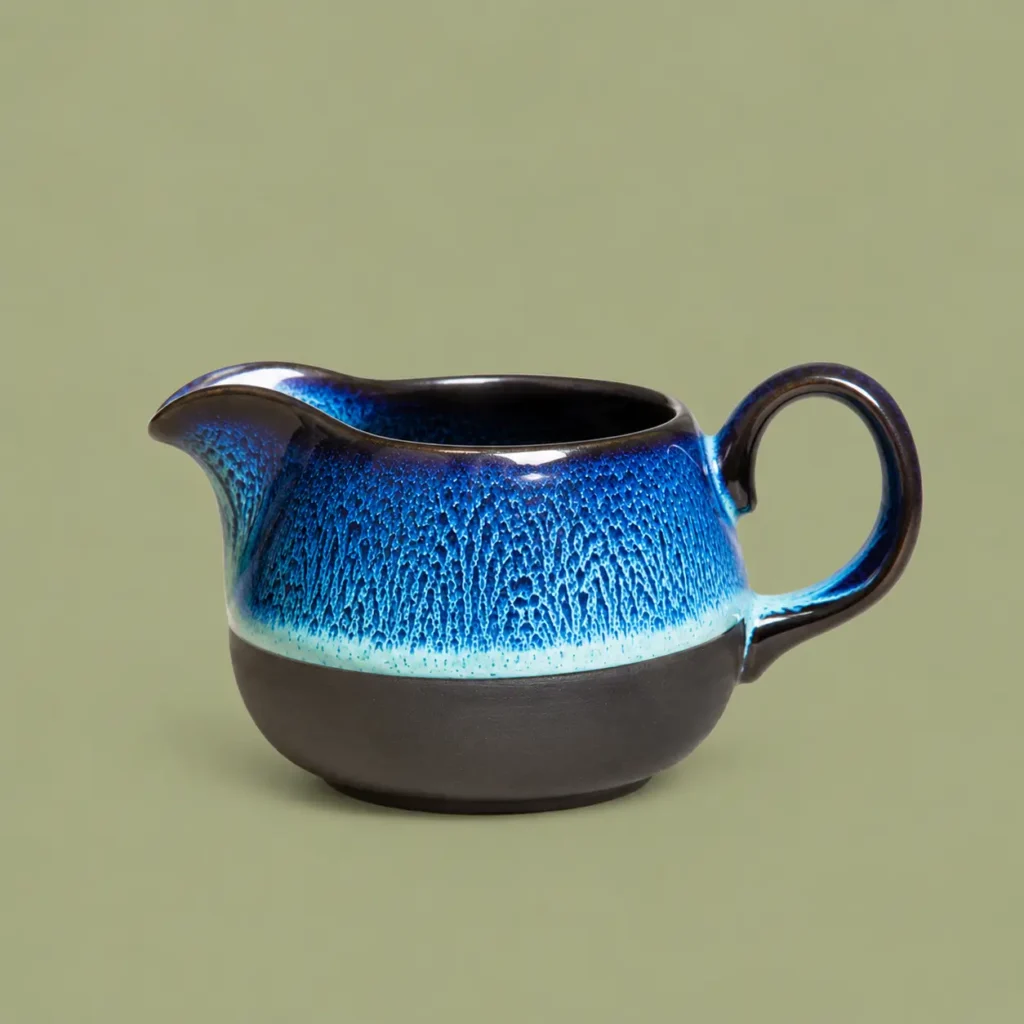
For a more detailed guide, check out our article “How to Brew Chinese Tea Properly.”
Which Pu-erh Should a Beginner Start With
We usually don’t recommend starting your Chinese tea journey with young Sheng Pu-erh. It’s easier to brew incorrectly, and its delicate, sometimes subtle flavor can be difficult to appreciate at first.
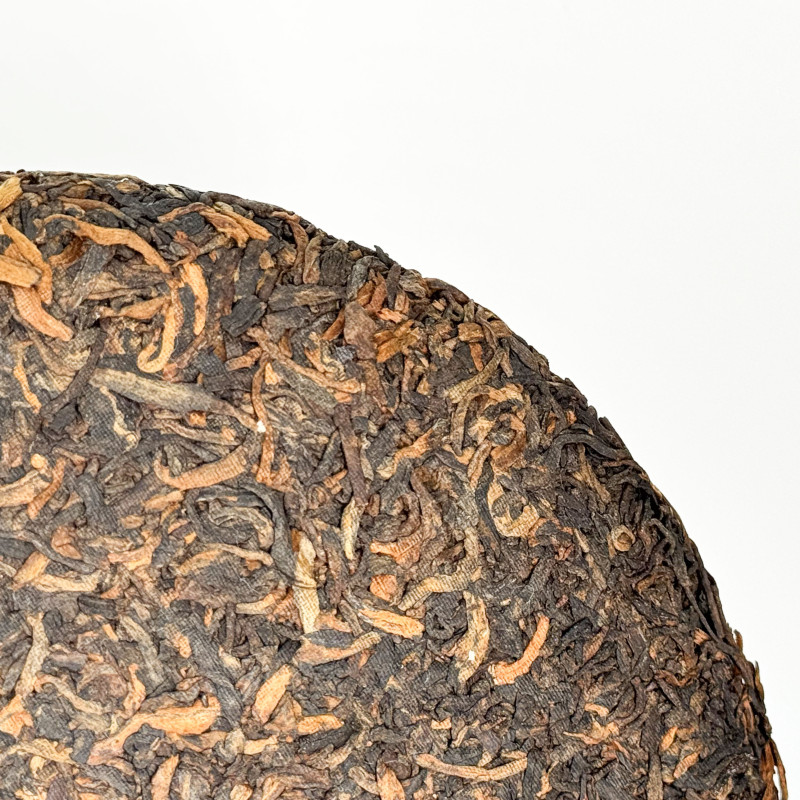
For beginners, any classic Shu Pu-erh is an excellent choice, such as Gong Ting or Bingdao. We don’t recommend starting with more unusual varieties like sticky rice Pu-erh, as you might miss the opportunity to discover the true flavor profile of traditional Shu Pu-erh.
If you’d like to try Sheng Pu-erh, it’s better to start with a more aged tea, such as Muslim. This way, you’ll experience the rich variety of Sheng Pu-erh flavors and discover what a well-aged tea can offer.
If you still decide to start with a young Sheng Pu-erh, try to set aside some time for a calm and mindful tea session. Alternatively, choose an easy-to-brew Sheng aged 5–10 years, such as Sheng Pu-erh “Spring Needles”. In this setting, the tea reveals itself in a completely different way.
Conclusion
If you’ve never tried Pu-erh before, we recommend starting with one of the beginner-friendly options or trying our tea tasting set, which includes several different types of Chinese tea. It’s the easiest way to discover which flavors you enjoy the most.