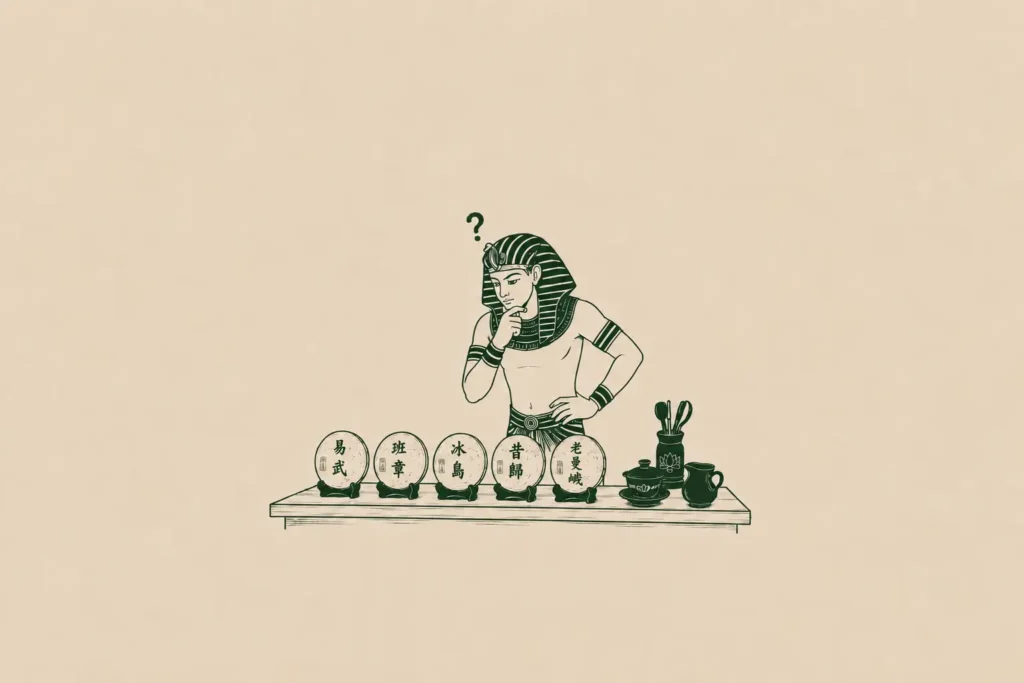
How to Start Drinking Chinese Tea Without Getting Confused
Hi! We are Yara and Denis, and we have been living in Egypt for several years and know it inside out. We started developing Chinese tea culture here and decided to write a few articles that will be useful for those just getting to know this world.
The world of Chinese tea is huge. When visiting a shop for the first time, beginners get lost among unfamiliar names, different utensils, and the perceived complexity of brewing. You are lucky if there is a good tea master who can ease your fears.
Even if you decide to buy tea online on your own, do not get discouraged or deprive yourself of the joy of exploring this culture. Chinese tea is not as complicated as it may seem at first. Honestly, we started with simple tea ourselves and brewed it in a regular cup, without a gaiwan, tea tray, or other special tools.

How Chinese Tea Differs from Bagged Tea
Bagged tea is not bad, and many of us started our tea journey with it. But Chinese tea is a completely different product. Whole tea leaves, fermentation methods, and centuries of tradition make Chinese tea special and multi-layered.
Chinese tea is usually not about speed or “a drink with a snack,” but about slow and mindful tea drinking. With a bit of attention, you can notice how your state changes with each infusion along with the aroma and taste. Chinese tea is not brewed once but in multiple infusions, revealing new layers of flavor and aroma each time. No sugar or artificial flavorings are added, as it is valued for its natural diversity of taste.
n addition, Chinese tea can have a positive effect on health, refresh the mind or, on the contrary, bring calmness. It is no coincidence that people involved in freediving (diving without oxygen equipment, only on breath-hold), where focus and calmness are essential, love Chinese tea.
Brief Overview of Chinese Tea Types
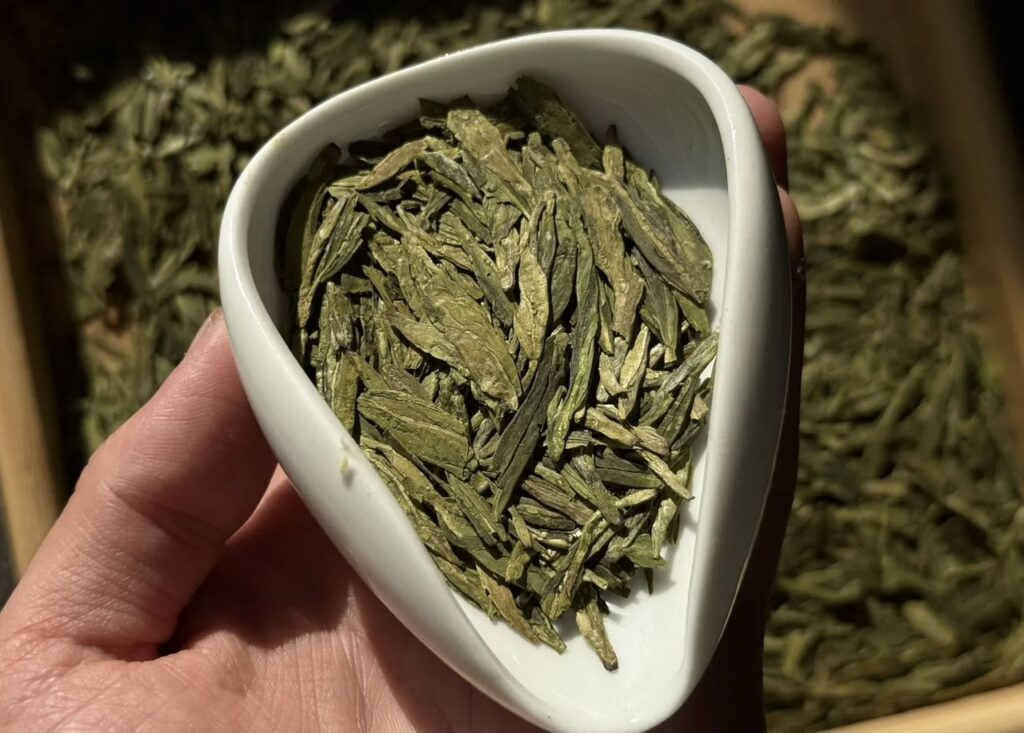
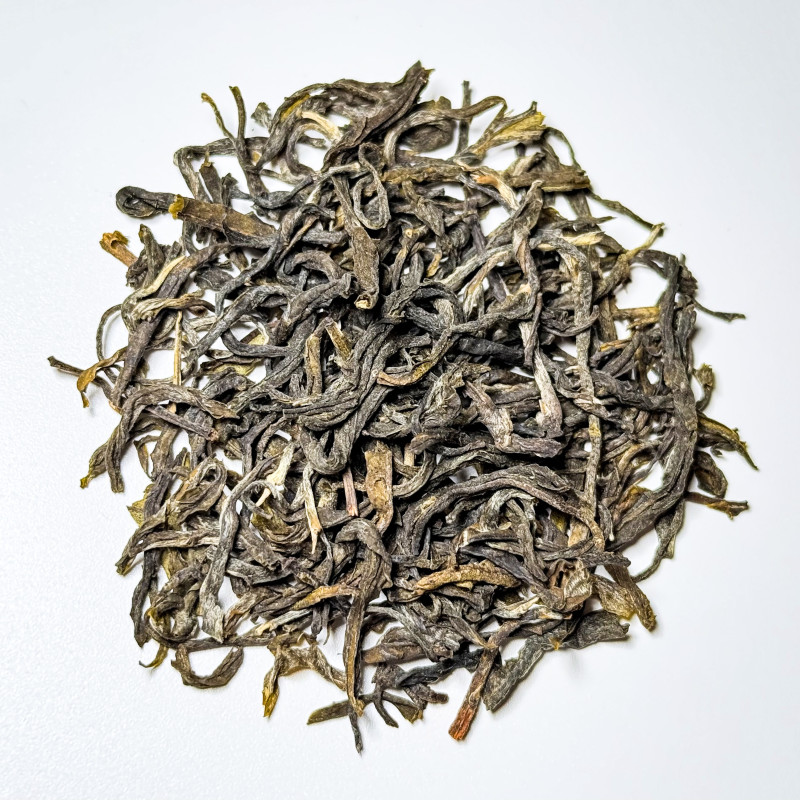
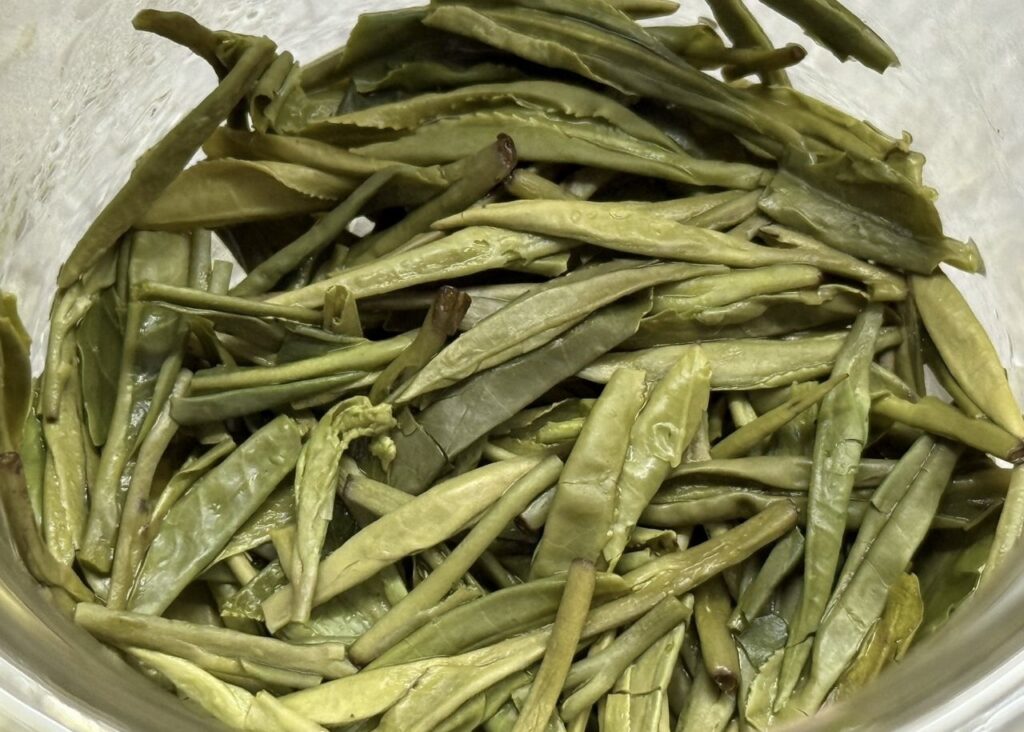
Green Tea
Fresh, light and herbal. Green teas are usually best for hot weather and daytime drinking. They often have notes of fresh greenery, nuts, or flowers. They help improve focus, quench thirst, and refresh the mind.
Example: Longjing
White Tea
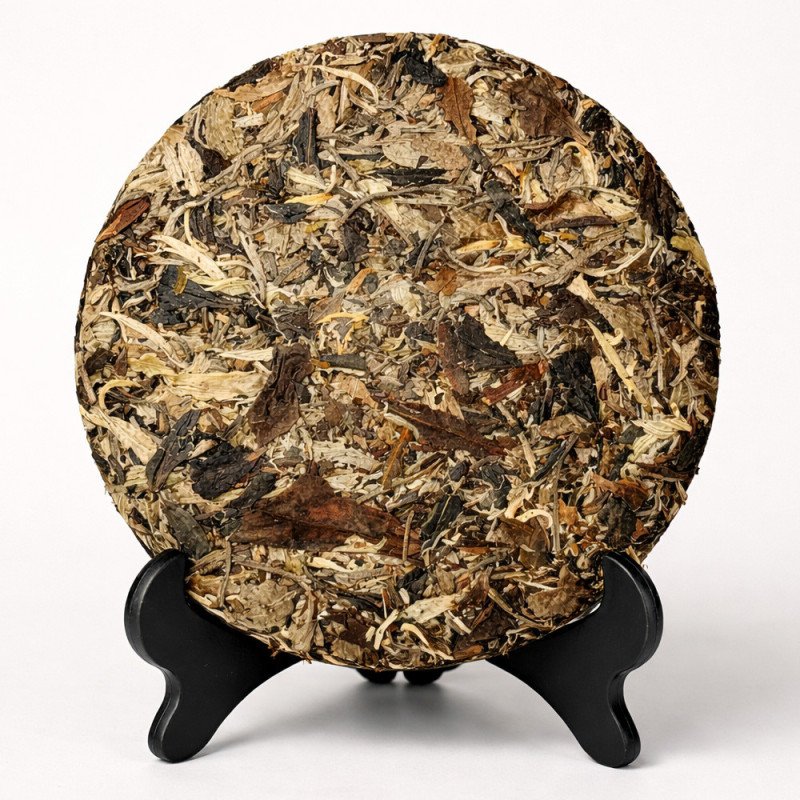
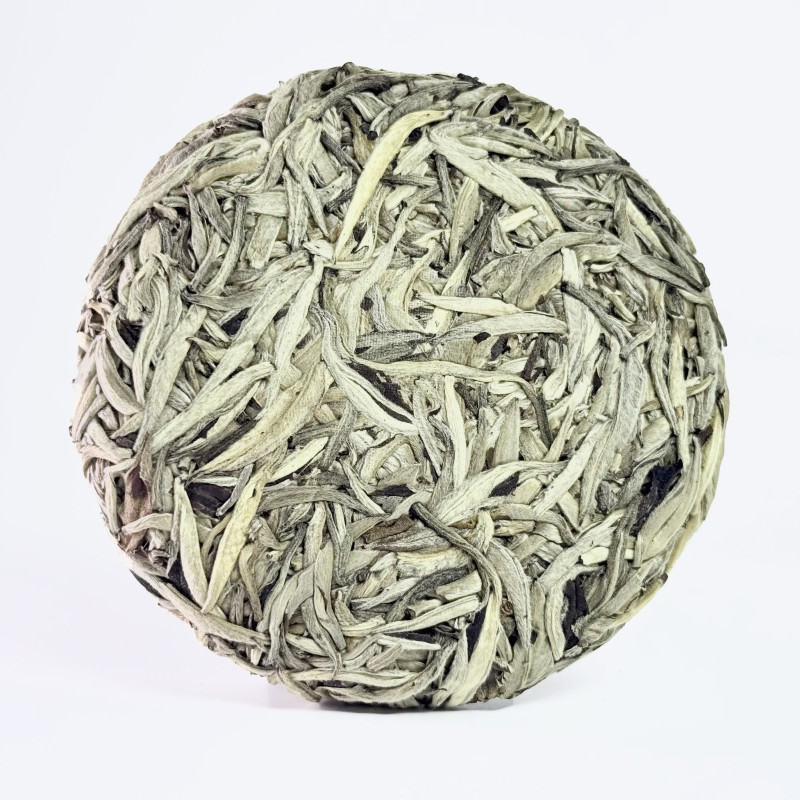
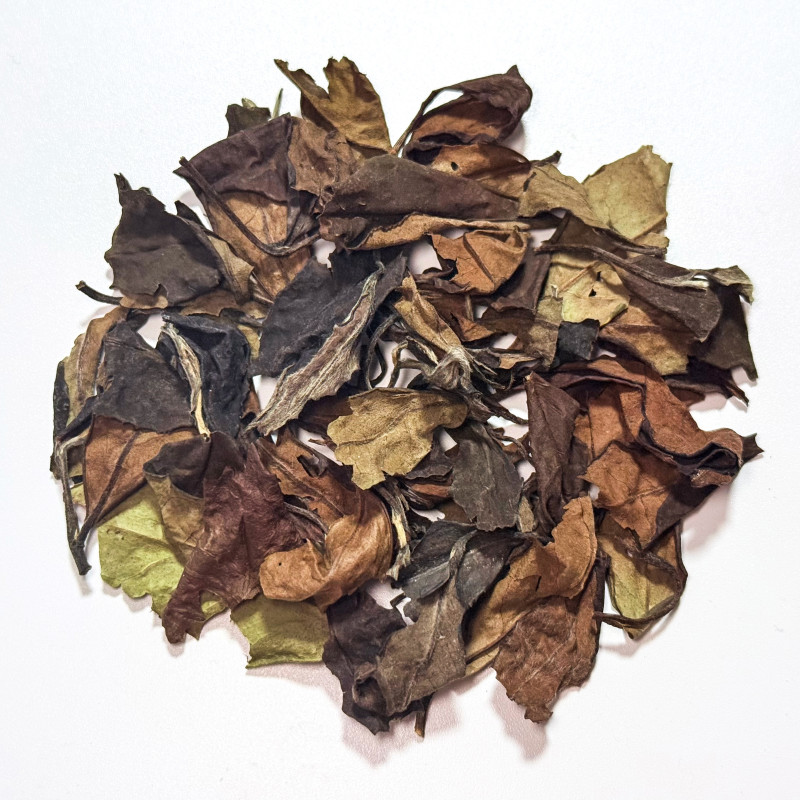
White tea is considered one of the most delicate types of Chinese tea. It undergoes minimal processing after harvest, which preserves a light, soft and natural taste.
Depending on the variety, white tea can have floral, honey, fruity or slightly herbal notes. It is not known for a strong aroma or intense taste, but many appreciate it for its calm and very gentle character. It is also great for evening tea as it helps reduce anxiety and calm a busy mind.
Example: Silver Needles
Red Tea
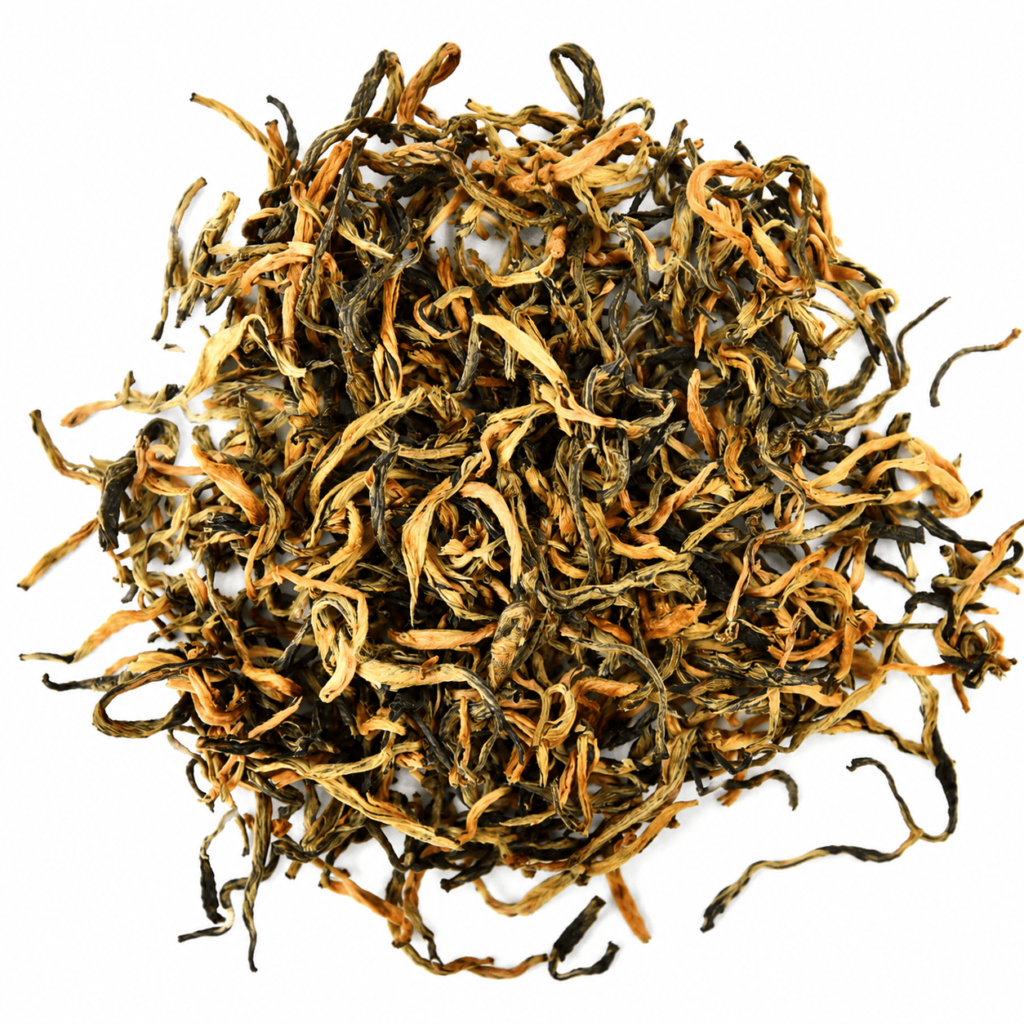
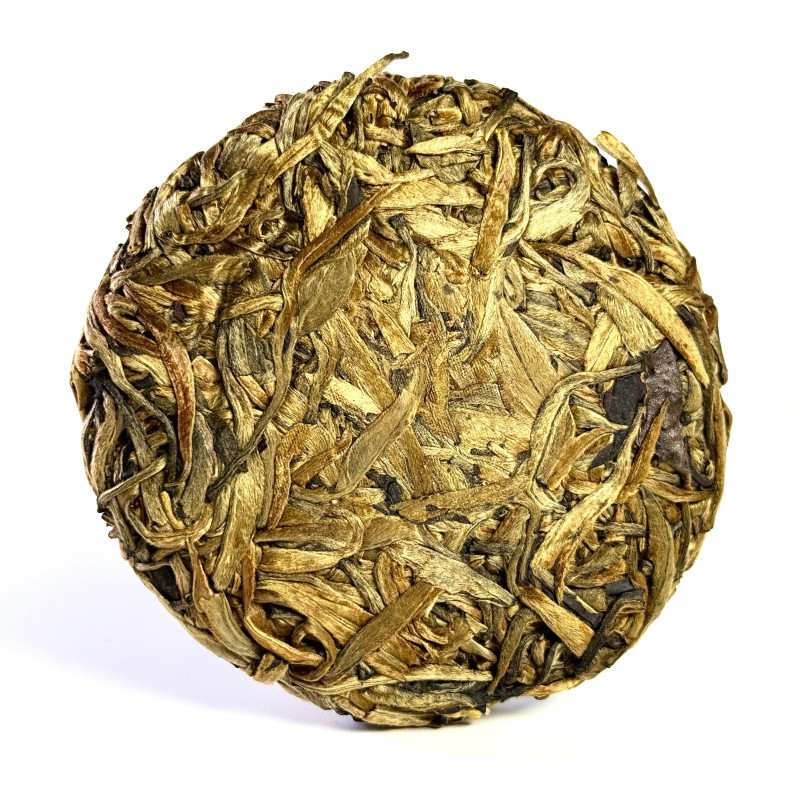
In Europe, this type of tea would usually be called “black tea,” but Chinese red tea is more aromatic, deep and premium. These are rich, soft and warming teas with notes of honey, dried fruits, pastries or chocolate. Good red tea is not harsh and is perfect for calm evening tea sessions.
Example: Jin Hao Dian Hong
Oolong Teas
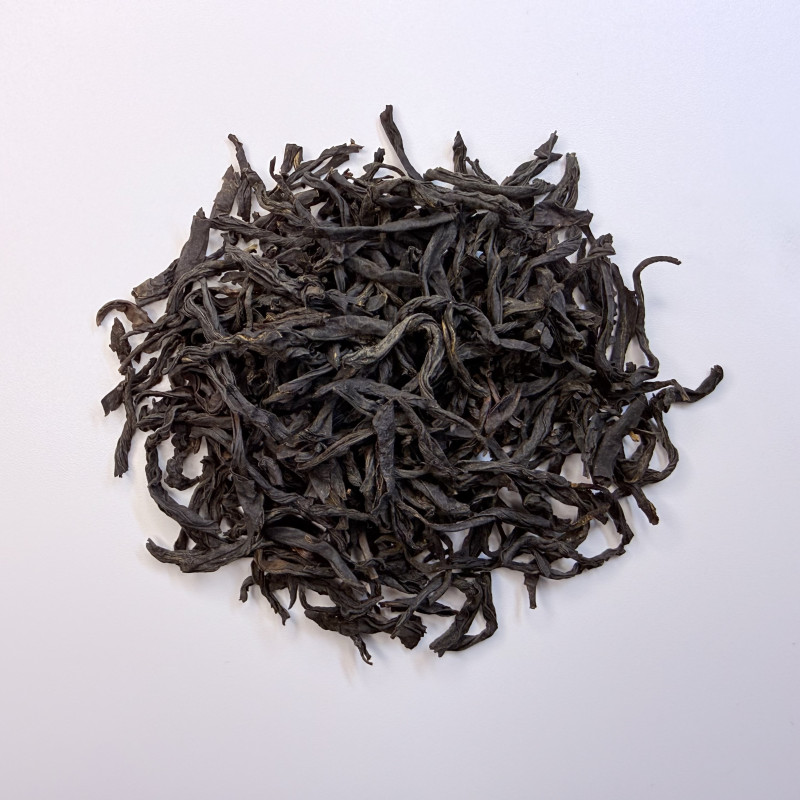
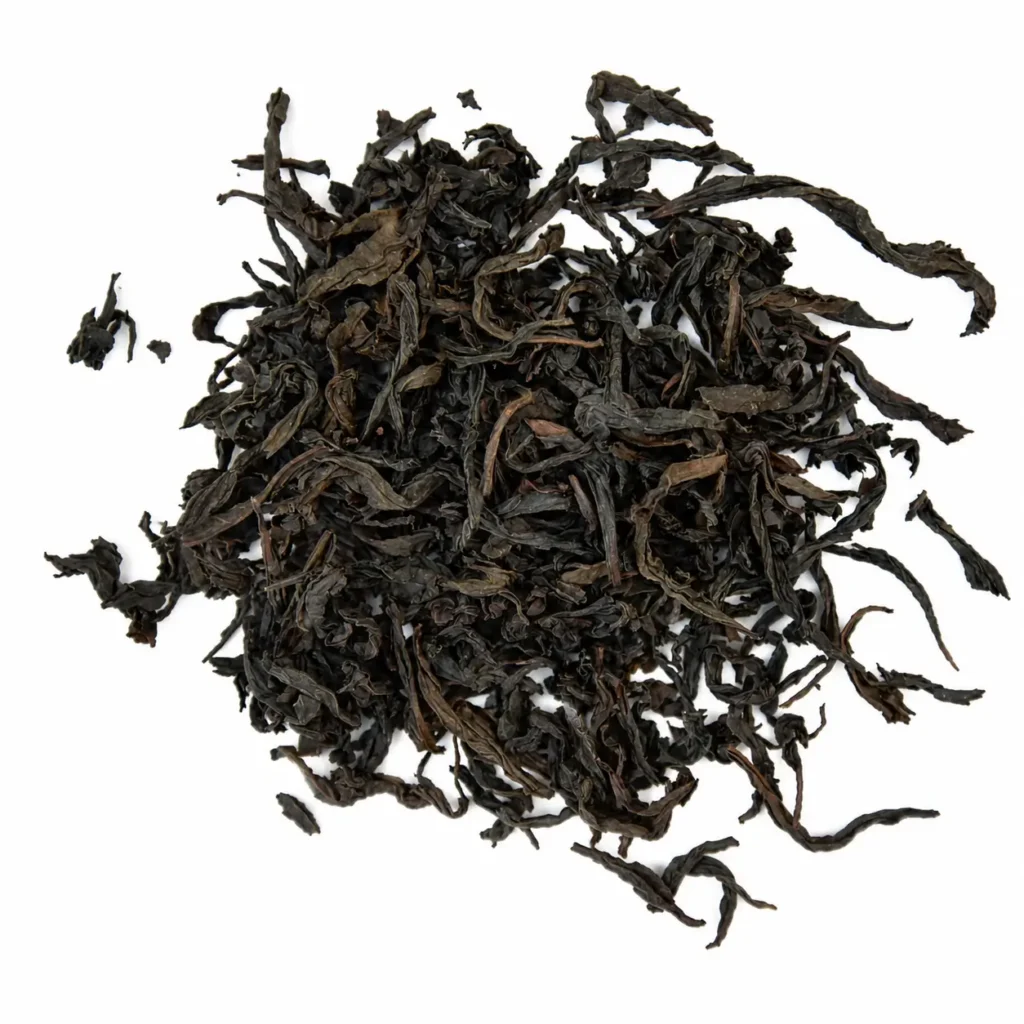
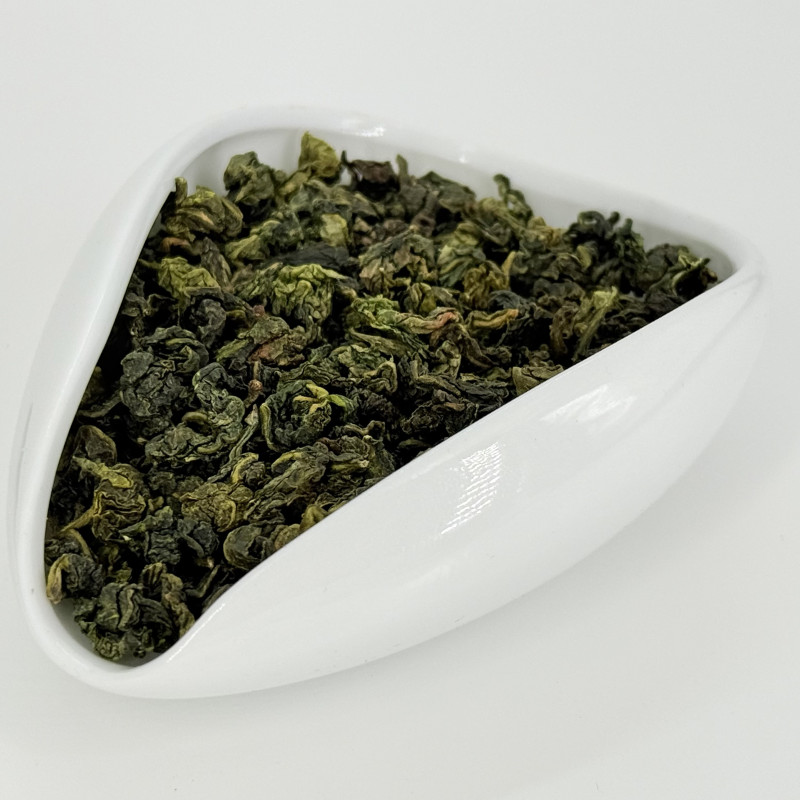
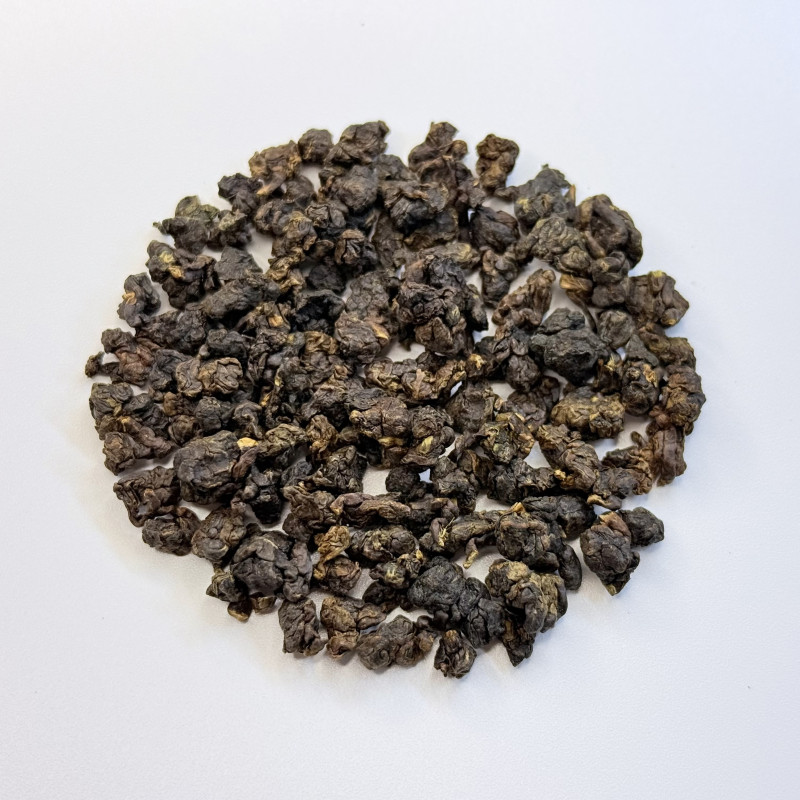
Something between green and red tea. Oolongs are often very aromatic, soft and complex. They can be fresh and floral (Tie Guan Yin) or more dense and warming (Da Hong Pao). For many people, oolongs become the first “favorite” Chinese tea.
By the way, most of the “milk oolongs” we are familiar with are flavored teas mainly aimed at the export market. In China itself, people usually prefer the natural aroma of oolong without additives. Especially since oolongs offer a wide variety of unusual, one-of-a-kind flavors.
Pu-erh Tea
Pu-erh is a separate world of Chinese tea, very different from most familiar teas. Its key feature is its ability to change over time: some types can age and gradually develop flavor for years. Pu-erh also provides strong stimulation and is often used as a healthier alternative to coffee.
Pu-erh teas are usually divided into two main types: sheng and shu.
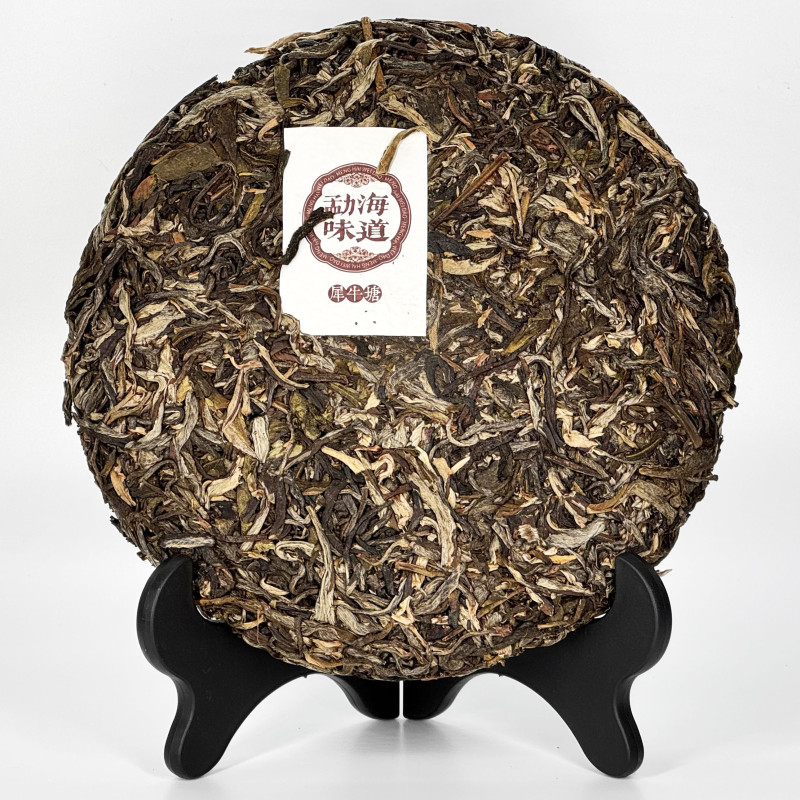
Sheng is a fresher and more “alive” type of pu-erh. Young shengs, such as Gold of China, are often bright, grassy, slightly astringent, with fruity, floral or even honey-like notes. Over time, the taste becomes softer, deeper and calmer, like the 20-year-aged Sheng Muslim, which reveals an incredible range of flavors with each infusion. A good 40-year-old sheng can cost a fortune. Sheng pu-erh sharpens the mind and helps structure thoughts when you wake up feeling drained.
Young sheng can seem unusual for beginners. It is also not easy to brew, as young shengs are especially sensitive to water temperature. Over time, you start to appreciate it for its freshness and complexity. We ourselves only came to understand sheng pu-erh about a year after discovering the world of Chinese tea.

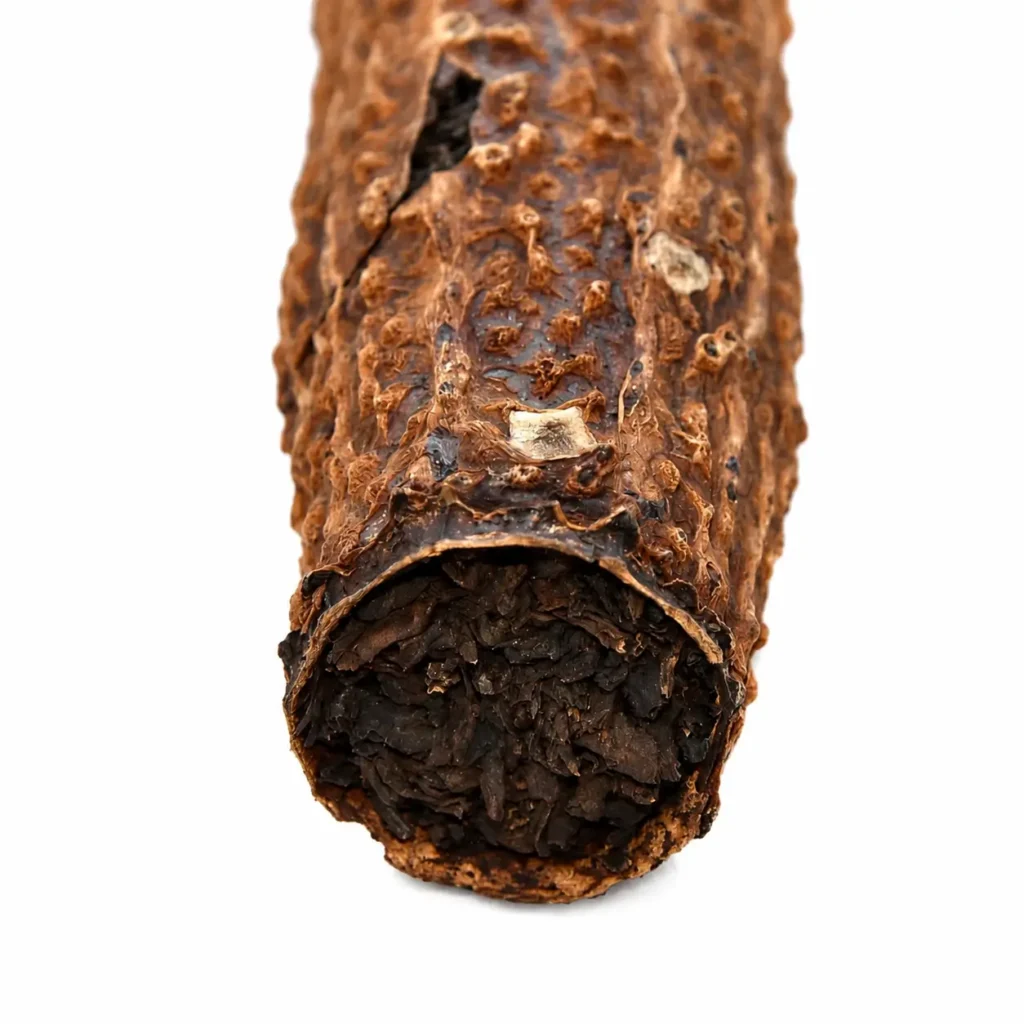
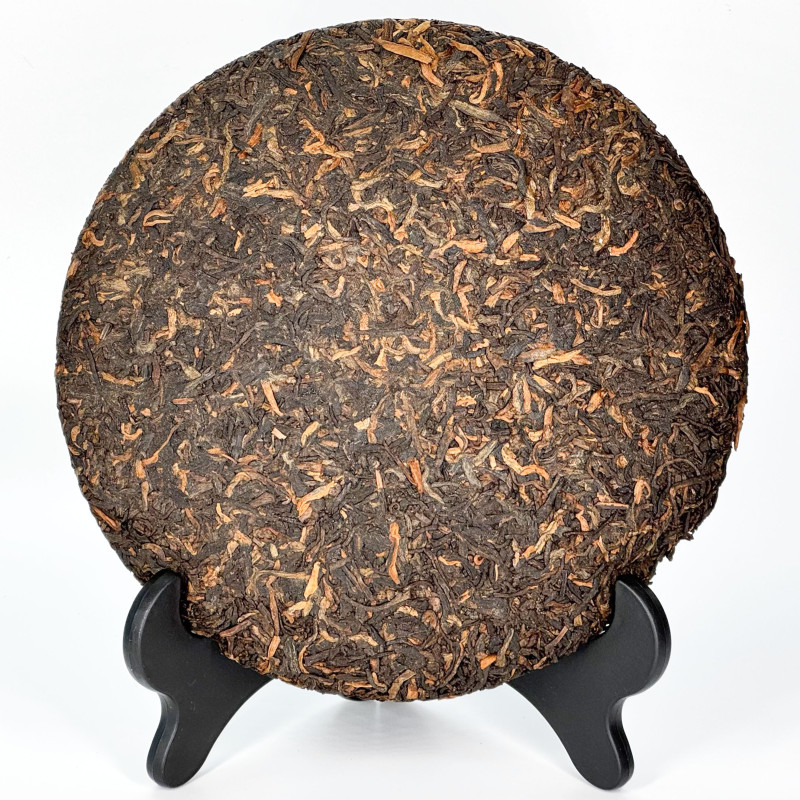
Shu is a darker, softer and thicker tea. It usually has woody, nutty, chocolate, tobacco or earthy notes. Good shu pu-erh gives a dense and comfortable brew without sharp bitterness. It is very easy to brew and is an ideal everyday tea for work without complex tea ceremonies. It can even be brewed in a thermos (Gong Ting is designed for fast and simple brewing).
Once we had many guests and brewed shu pu-erh in a regular soup pot, which did not ruin either the tea or the atmosphere at all. Shu tea gently stimulates the body and is often used as a coffee substitute. It is excellent for workouts and sports.
Do you need special teaware?
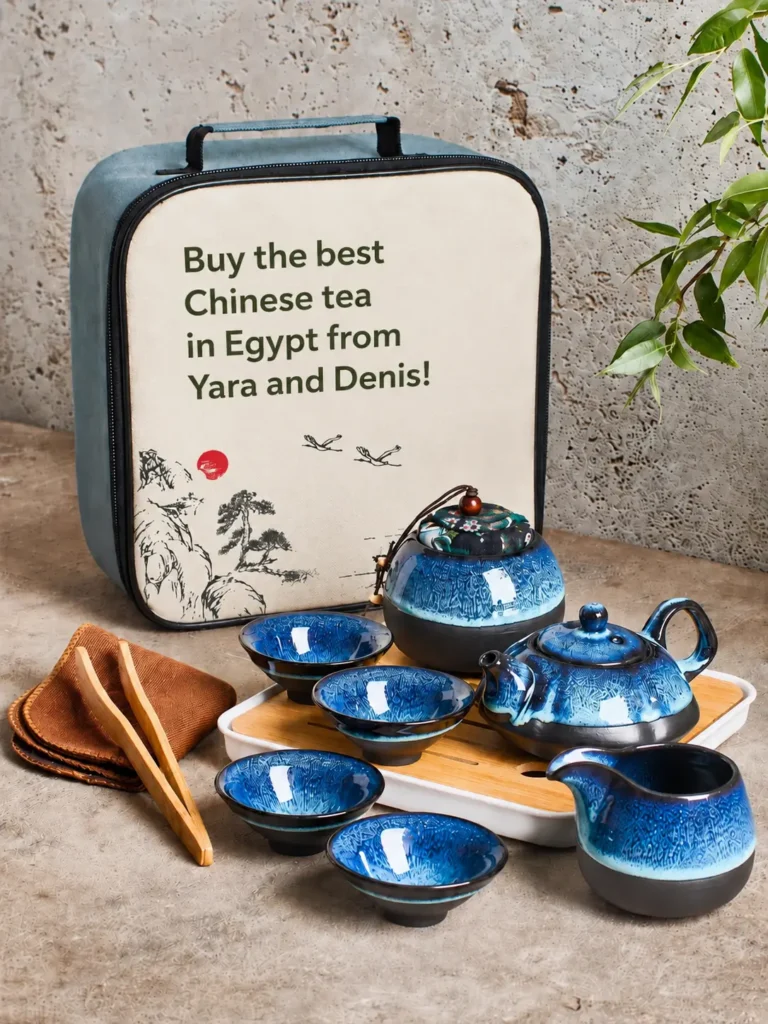
Of course, a proper tea set makes tea drinking more enjoyable and atmospheric, but honestly we bought our first tea set only six months after we started drinking Chinese tea.
At the beginning you can use a small 150 ml cup with a saucer (an improvised gaiwan) for brewing tea, plus a few cups for you and your friends. Later you can get a push-button teapot, which is available on marketplaces like Noon or Temu (they deliver in Egypt).
Once you feel ready to buy a tea set, you can get a very simple one for up to $30, which includes a teapot or gaiwan, a chahai (fairness cup), a set of small cups, and a chaban (tea tray with a drainage system).
Conclusion
The main thing is not to try to understand the whole world of Chinese tea at once. It is much more important to simply start trying, observe your sensations, and look for the tastes you personally enjoy.
To avoid struggling with selection for too long, we created a special format for beginners — a tasting set, where you can try all the main types of Chinese tea without buying large packages that you might not like.