How to Store Chinese Tea in Egypt: Beating the Heat, Humidity and Unwanted Odors
Hi! We are Yara and Denis, and we have been living in Egypt for several years, getting to know the country inside and out. We started developing the culture of Chinese tea here and decided to write a series of articles that will be useful for those who are just beginning to explore this amazing world.
Introduction
You chose a great Chinese tea, waited for your package, brewed your first cup and experienced that wonderful aroma and deep flavor. But a couple of weeks pass, and the tea seems to lose its magic: the flavor becomes flat and the aroma gradually disappears.
Egypt’s climate is a real challenge not only for people but also for tea leaves. The scorching sun, dry heat in Hurghada or Dahab, humidity in coastal cities such as Alexandria, and the strong aromas of Eastern spices in the kitchen can easily ruin even the highest-quality tea.
The Four Main Enemies of Chinese Tea in Egypt
Tea leaves are highly sensitive to their environment and react quickly to four main factors:

Sunlight and light
Ultraviolet radiation is one of the main enemies of tea leaves. Under direct sunlight, tea quickly dries out, while beneficial compounds and amino acids in the leaves begin to break down. The leaves lose their color and aroma, and white and green teas, for example, can develop a noticeable yellow tint.

Air and unwanted odors
Tea acts like an absorbent and quickly absorbs surrounding aromas. If you leave an open package next to spices, coffee or an air freshener, the tea will soon start smelling like them.
Humidity and dampness
If you live in Alexandria, Dahab or Sharm El Sheikh, high humidity near the sea can encourage mold growth or make the tea taste stale.
High temperatures
Extreme heat accelerates oxidation. As a result, lighter teas age faster and lose their freshness.
Different Teas Require Different Storage Conditions
The main mistake beginners make is storing all teas under the same conditions. In reality, different types of tea require different environments:
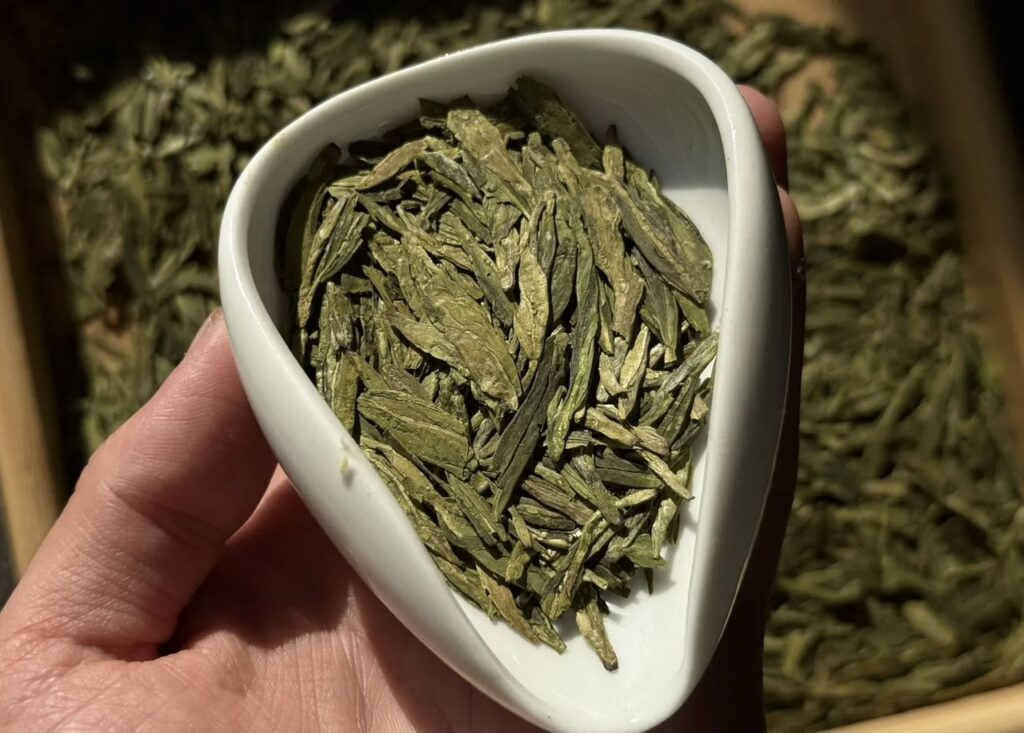
Green Teas and Light Oolongs (such as Long Jing and Tie Guan Yin)
These teas are valued for their exceptional freshness and their grassy and floral notes.
How to store: Keep them only in tightly sealed, airtight packages. If possible, store them in the refrigerator, or at least in the coolest place in your home. The most important thing is to make sure the package is completely sealed; otherwise, the tea will quickly absorb surrounding odors.
Important: Tea should only be stored in the refrigerator for a long period if it remains in its original factory-sealed packaging and has never been opened. Before opening tea that you have taken out of the refrigerator, let it sit at room temperature for a couple of hours. Otherwise, condensation can immediately form on the cold leaves and ruin the tea.
Shu Pu-erh, Sheng Pu-erh and White Teas (Bingdao Shu Pu-erh, Sheng Pu-erh “Spring Needles”)
Pu-erh is often described as a “living” tea that can continue to develop and improve over time when stored properly.
How to store: Pu-erh does not need a refrigerator! A stable room temperature, a dry place, no direct sunlight and slight air circulation are suitable conditions. Shu Pu-erh can be stored perfectly well in its original wrapper or in a foil zip-lock bag placed inside a dark cabinet.
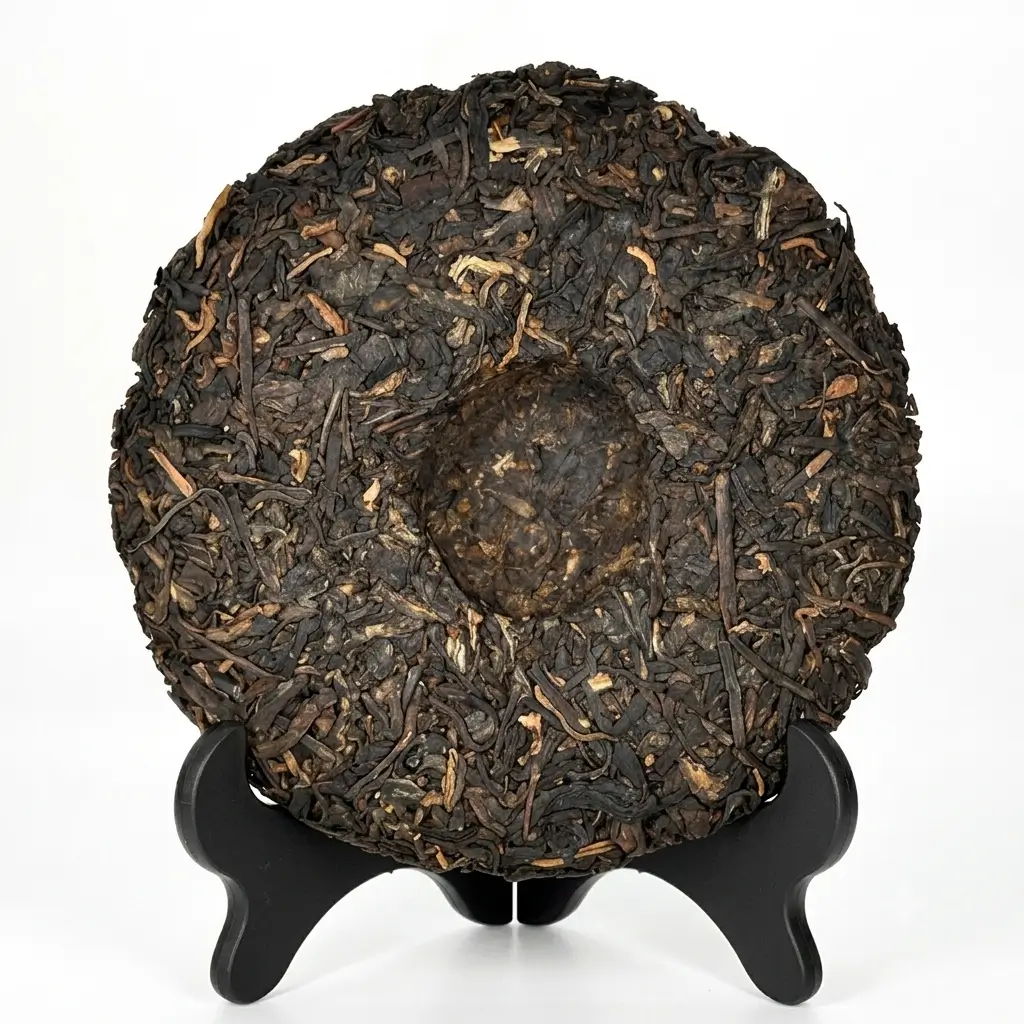
Note: If you want not only to preserve tea for some time but also to age it for years so that it continues to develop, that is a whole separate science that we will discuss in future articles.
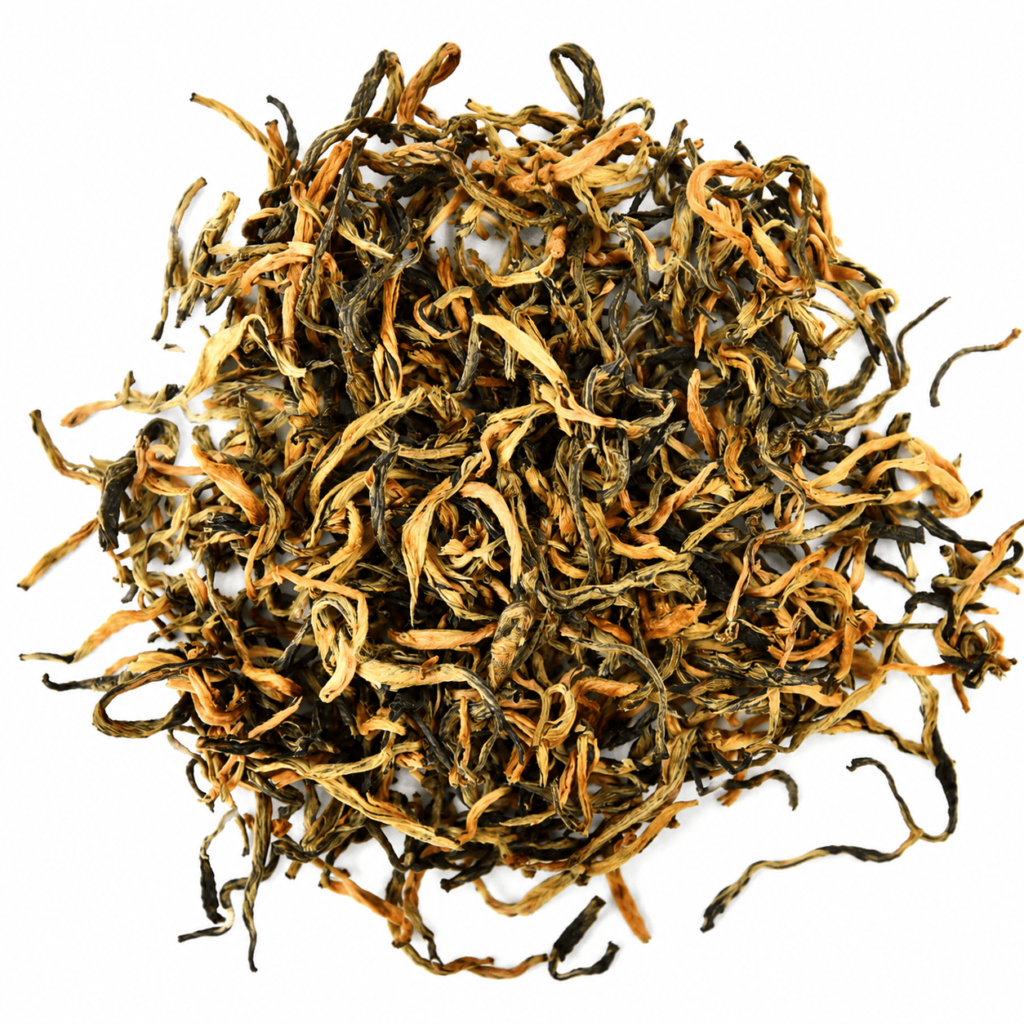
Dark Oolongs and Red Teas (such as Da Hong Pao and Jin Jun Mei)
This is one of the least demanding categories. These teas undergo thorough roasting or fermentation, so they generally tolerate Egypt’s heat better.
How to store: Keep them in an airtight package or container inside a closed kitchen cabinet. Most importantly, keep them away from the stove, oven and spices.
What Should You Store Tea In If You Live in Egypt?
Our foil zip-lock bags: The most convenient option. All of our tea comes in durable bags with a zip-lock closure and a foil layer inside. They provide excellent protection from light, air and moisture. Simply close the bag tightly after every tea session!
Metal or ceramic containers: A great option for both convenience and aesthetics in the kitchen, provided that the container has a tight lid with a proper seal.
What You Should NOT Do:
- Leave tea in transparent glass jars in direct sunlight;
- Store tea in ordinary thin plastic or paper bags;
- Use cheap plastic containers that have a noticeable plastic smell.
- Do not leave tea in the car! If you take a package of Pu-erh with you to the beach or on a trip, never leave it inside a parked vehicle. Under the Egyptian sun, the interior can heat up to 60°C or more, and the tea can practically “cook” inside its packaging within just a few hours.
- The closed-shelf rule. Keep your tea in a separate closed cabinet where spices, perfumes, coffee and household chemicals are not stored.
Where Should You Start?
Don’t worry about the difficulties of storage: you don’t need to buy special refrigerators or professional containers. Our bags are already suitable for the Egyptian climate — you simply need to close the zip-lock tightly and keep your tea in a dark cabinet.
You can choose your favorite tea or order our tasting set, and we will carefully pack and deliver it anywhere in Egypt, including Cairo, Hurghada, Dahab, Sharm El Sheikh, Alexandria and Luxor.
Message us on WhatsApp — we will be happy to help you choose which tea to start with and explain how to store and care for it properly.