What Is Oolong Tea in Simple Terms
Hi! We are Yara and Denis, and we have been living in Egypt for several years and know it inside out. We started developing Chinese tea culture here and decided to write a few articles that will be useful for those who are just getting to know this world.
Introduction
When people who are new to Chinese tea write to us, we often hear the same question: “Do you have any oolong tea?”
Many people think oolong is a green tea, while others only know milk oolong. Oolong is a traditional Chinese tea that sits somewhere between green tea and red tea.
By the way, if you are just starting your journey into Chinese tea, we have a great beginner-friendly article: How to Start Drinking Chinese Tea Without Getting Confused.
What Is Oolong Tea
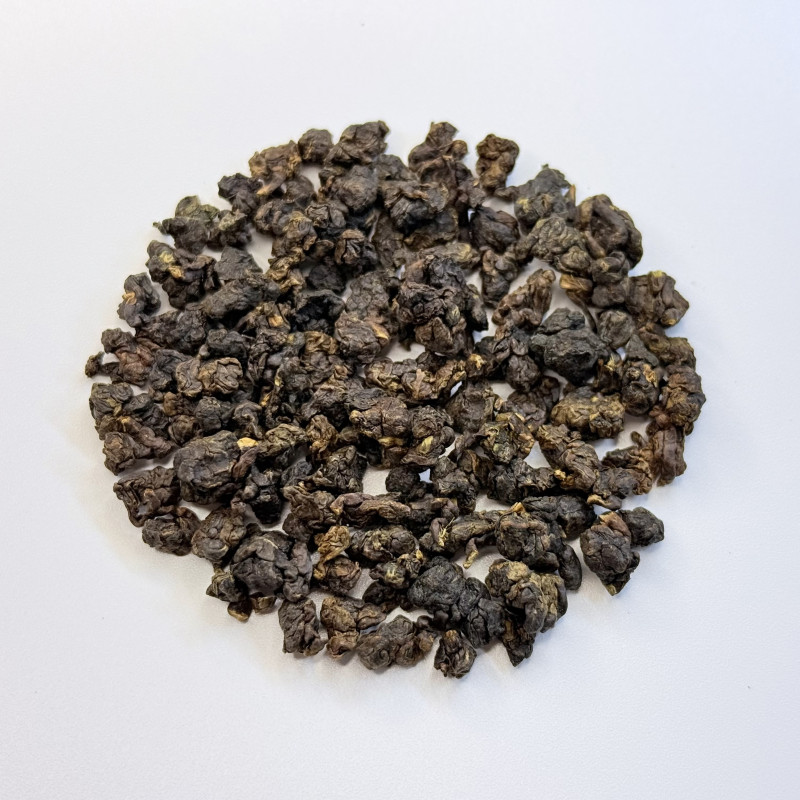
Oolong is one of the most diverse categories of Chinese tea. In Chinese, the word “oolong” means “Dark Dragon.” From green tea, it takes freshness, grassy notes, mild astringency, and the ability to gently improve focus. From red tea, it takes depth of flavor, richness, a relaxing effect, and a cozy atmosphere.
That is why two oolongs can be so different that a beginner might not even believe they belong to the same tea category. Many Chinese tea enthusiasts consider oolong to be the perfect middle ground. Its approachable yet diverse flavor, vibrant aroma, large number of infusions, and relatively simple brewing process have made it one of the most popular types of Chinese tea.
Types of Oolong Tea
Light Oolongs
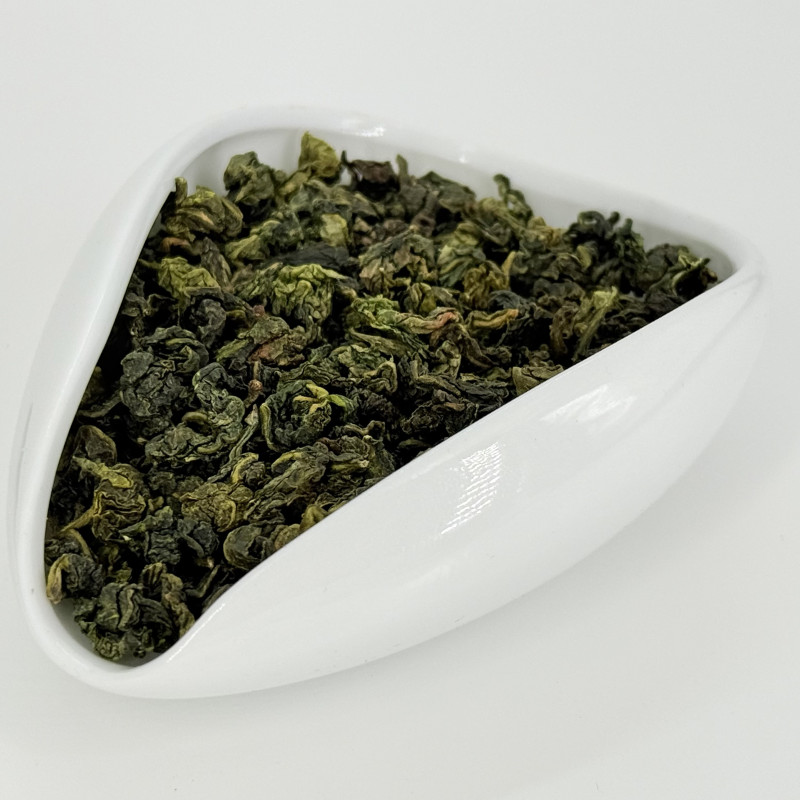
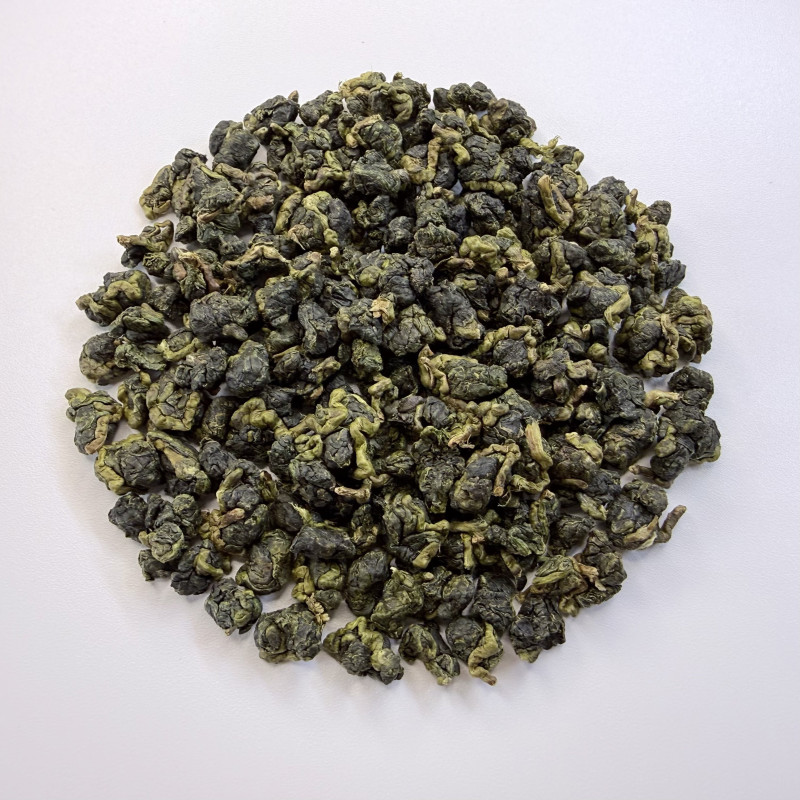
Light oolongs have a bright aroma and a smooth, rounded taste without harsh astringency. Their flavor often includes notes of fresh grass, nettle, floral tones, and a light natural sweetness.
This is a light tea that helps you feel energized, stay focused, and organize your thoughts. Light oolongs are also excellent for Egypt, as they are easy to drink in hot weather, help quench thirst, and can even reduce tension during physical activity and workouts.
One of the most famous representatives of light oolongs is Tie Guan Yin.
Dark Oolongs
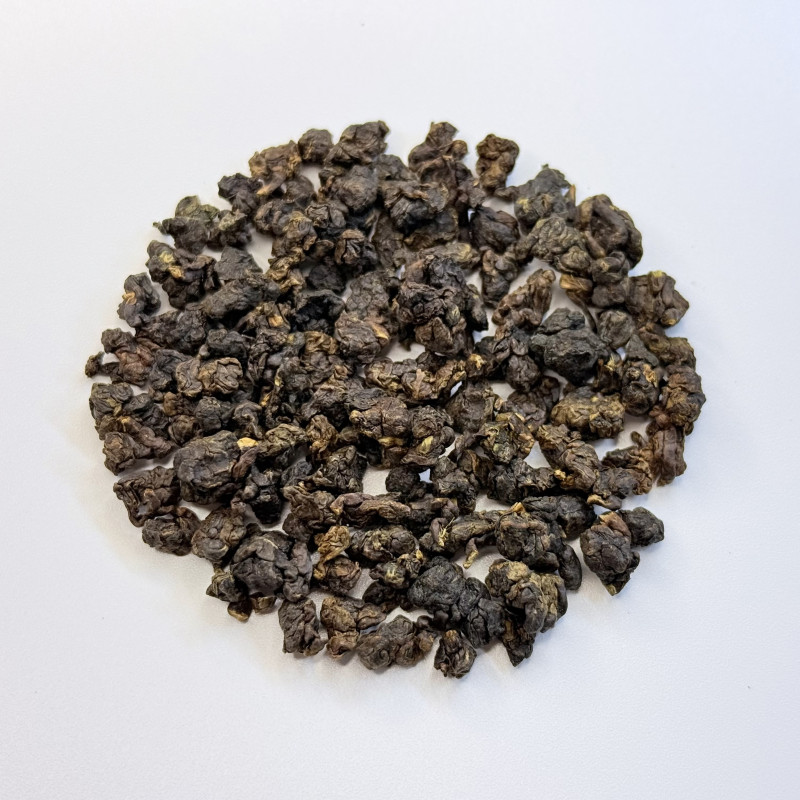
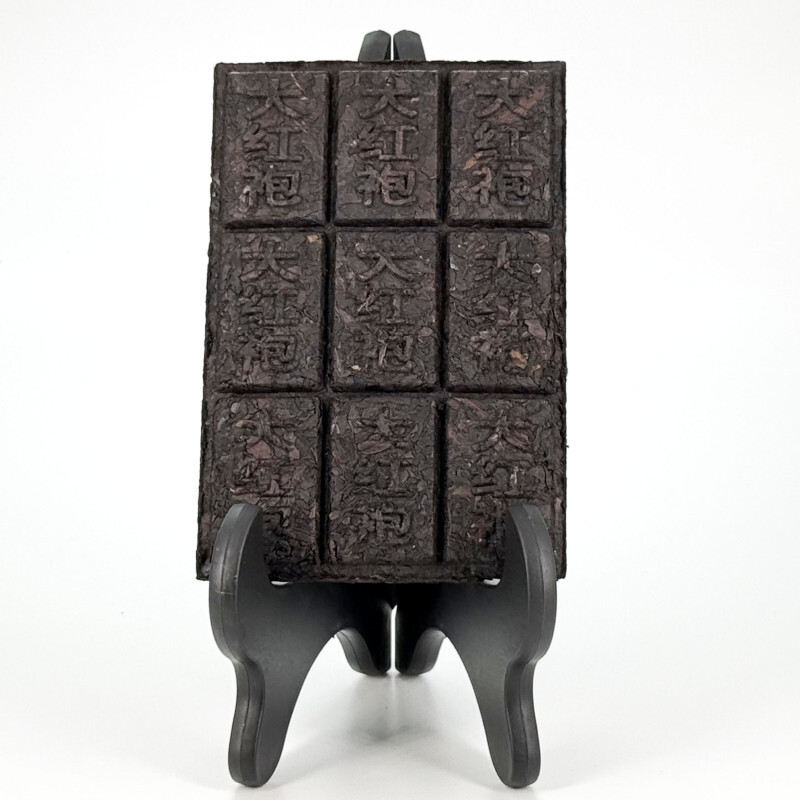
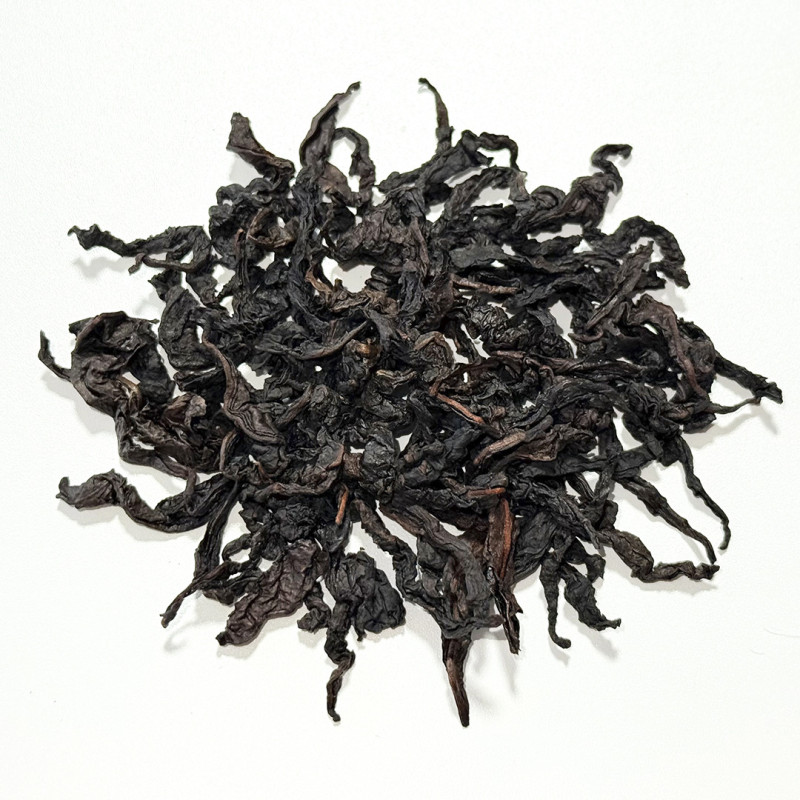
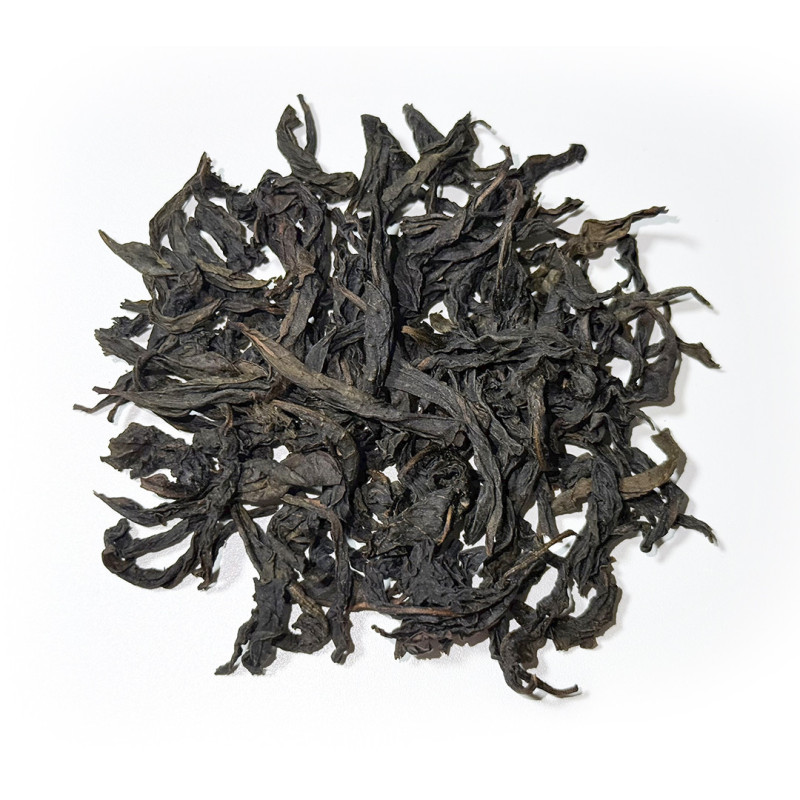
Dark oolongs are not as dense and rich as red teas, but they often have a clear and expressive flavor and aroma profile. In their taste, you can find notes of roasted nuts, wood, or baked goods, as well as a pleasant mineral sensation in the aftertaste.
Dark oolongs are perfect for relaxed and friendly gatherings. They are excellent teas for spending an evening with friends, helping you unwind and feel comfortable. In Egypt, Da Hong Pao is a great tea for getting through both the cool winter and the hot summer.
By the way, we also have an article where we discuss three of the best teas for surviving the scorching Egyptian summer.
What Is Milk Oolong?
Milk Oolong is actually a real tea cultivar called Jin Xuan. It is a tea variety specially developed in Taiwan that, thanks to its growing conditions and local climate, can produce tea with a soft milky aroma. This aroma is usually very subtle, and noticing it requires attentive tea drinking.
The Milk Oolong found in many tea shops is often a different tea that has been artificially flavored. It appeared in response to international demand for creamy and milky teas, since Chinese tea drinkers generally do not enjoy adding milk flavors to tea. In addition, flavoring tea is often considered poor practice because it is sometimes used to hide low-quality tea leaves.
A natural Milk Oolong should not have a strong smell of milk, caramel, or condensed milk. High-quality Jin Xuan is much rarer than flavored Milk Oolong, which is why it can be difficult to find in an ordinary tea shop.
How to Brew Oolong Properly
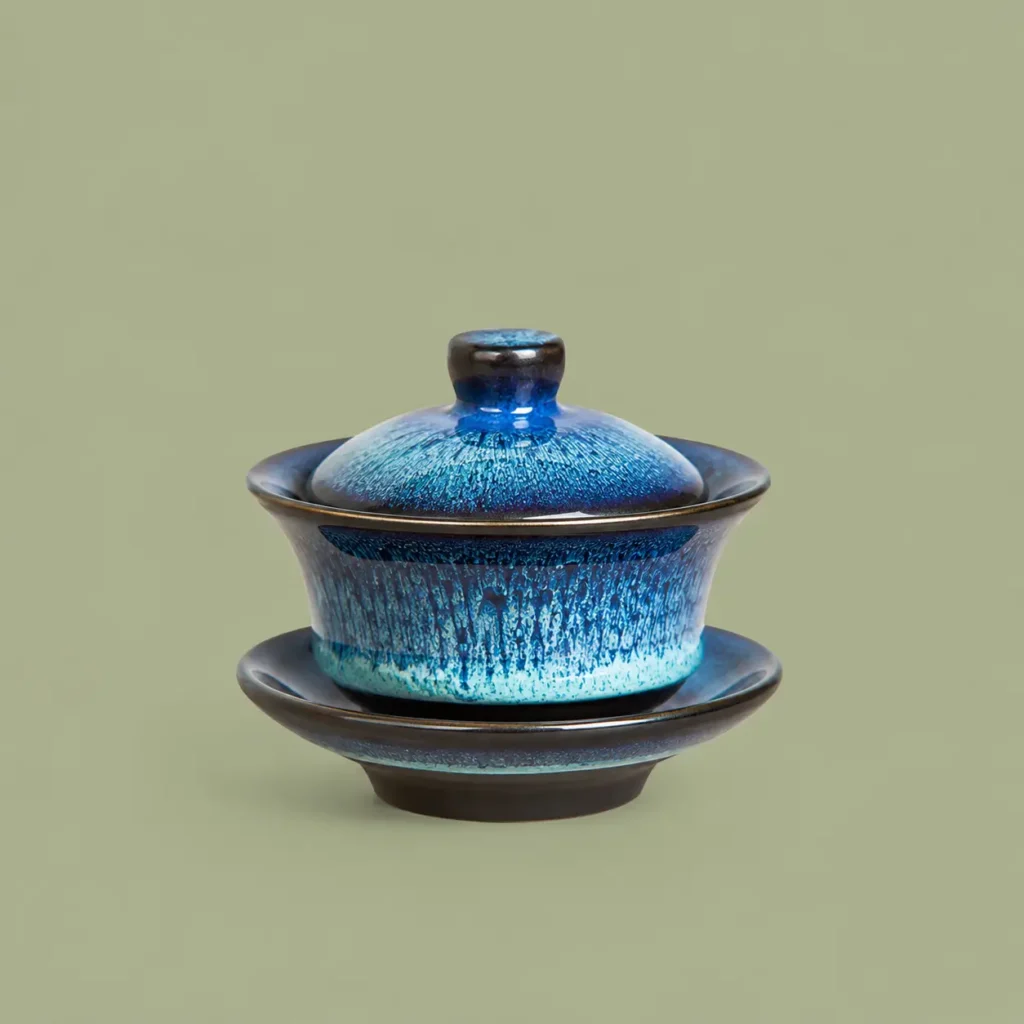
Oolongs should not be brewed with boiling water. Before brewing, allow the water to cool to around 80–90°C, depending on the tea. Usually, letting freshly boiled water sit for 5–8 minutes is enough.
It is also important not to leave oolong leaves in hot water for too long. Light oolongs can develop excessive bitterness and astringency, while darker oolongs may become overly sour.
In our article “How to Brew Chinese Tea Properly”, we explain in detail what to pay attention to during the brewing process.
Which Oolong Should a Beginner Start With?
Tie Guan Yin and Da Hong Pao are two of the most popular oolongs that can impress both experienced tea lovers and people who are just beginning to explore Chinese tea.
If you prefer light, grassy flavors, Tie Guan Yin is an excellent choice for your first experience with Chinese tea.
If you enjoy darker, richer teas and are looking for a cozy and relaxing atmosphere, Da Hong Pao may be the better option.
Conclusion
If you are just starting your journey into Chinese tea, oolongs are often the best place to begin. They are aromatic, approachable, and do a great job of showing just how diverse Chinese tea can be.