“Chinese tea with an effect”: truth, myths, and what you’ll actually feel
Hello! We are Yara and Denis. We have been living in Egypt for several years and know it inside out. We started developing Chinese tea culture here and decided to write several articles that will be useful for those who are just discovering this fascinating world.
Introduction
One of the most common questions people ask when they first discover Chinese tea is: “Is it true that Chinese tea produces some kind of special ‘effect’? Is it true that it changes your state of consciousness or makes you feel intoxicated?”
The internet is full of rumours, exaggerations and inflated expectations. Let’s take an honest, straightforward look at where these myths came from, how tea actually affects our brain and body from a scientific perspective, and why the real tea effect is far more valuable than any artificial stimulant.
Where did the myth of “tea intoxication” come from?
In today’s world of mindfulness, biohacking and healthy living, Chinese tea has become incredibly popular. However, the complexity of tea terminology and incorrect translations of Chinese concepts have led to a number of misconceptions:
- An incorrect translation of the term “Cha Zui”. In Chinese tradition, there is an expression that literally translates as “tea intoxication”. However, in Chinese philosophy, it does not mean alcohol intoxication at all. Instead, it refers to a state of slight dizziness, relaxation and contemplation that can occur when a person drinks a large amount of high-quality fresh tea.
- Marketing exaggerations. Some sellers deliberately create an aura around Chinese tea of being a “forbidden” or “magical” drink in order to attract attention.
- Inflated expectations. When someone expects tea to produce an effect similar to alcohol or powerful stimulants, disappointment is likely to follow. Chinese tea works subtly, elegantly and in a way that supports overall well-being.
The real biochemistry: why does tea actually change how we feel?
The state produced by good loose-leaf tea is not mystical — it is pure biochemistry. High-quality tea leaves contain a unique natural cocktail of active compounds:
- The synergy of L-theanine and caffeine. The caffeine in tea (often called theine) works quite differently from the caffeine in coffee. In tea leaves, it is associated with tannins and the amino acid L-theanine. Caffeine gently stimulates the nervous system, while L-theanine simultaneously has a calming effect and stimulates the production of alpha waves in the brain. As a result, you experience a state of “calm concentration” — you are alert, yet completely calm, collected and focused.
- Gamma-aminobutyric acid (GABA). GABA teas contain a high concentration of a compound that helps reduce background anxiety, relieve muscle tension and cope with stress.
- Theobromine and theophylline. These are natural compounds that gently dilate blood vessels, improve circulation and increase oxygen delivery to the brain, creating a feeling of freshness and a light lift in mood.
The Main States You Will Actually Feel
Depending on the tea variety and fermentation level, Chinese tea can help prepare your body and mind for a specific task:
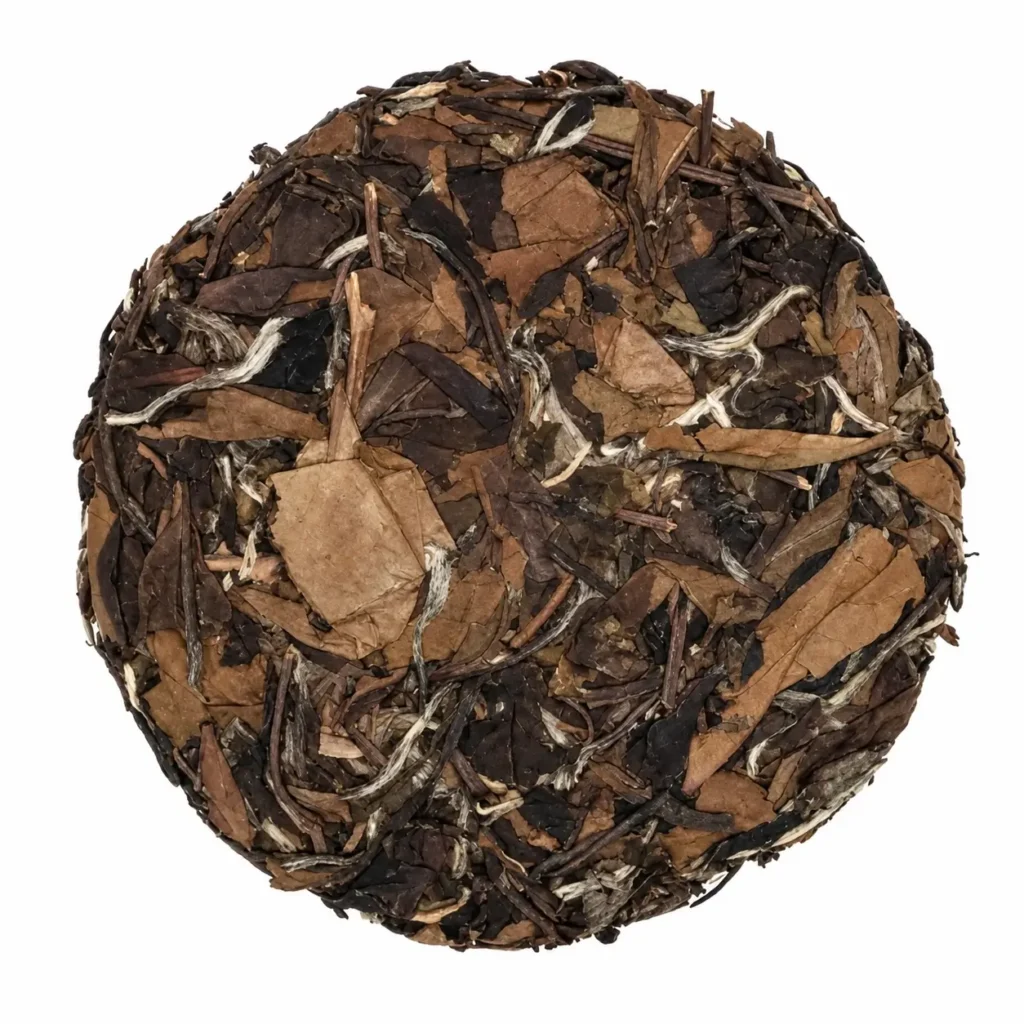
Clear Focus and Productivity (Shu Pu-erh, Young Sheng Pu-erhs)
You feel a boost of physical energy, mental clarity and readiness to handle difficult tasks without fuss or emotional burnout. Ideal for working at a computer, long calls or before a workout.
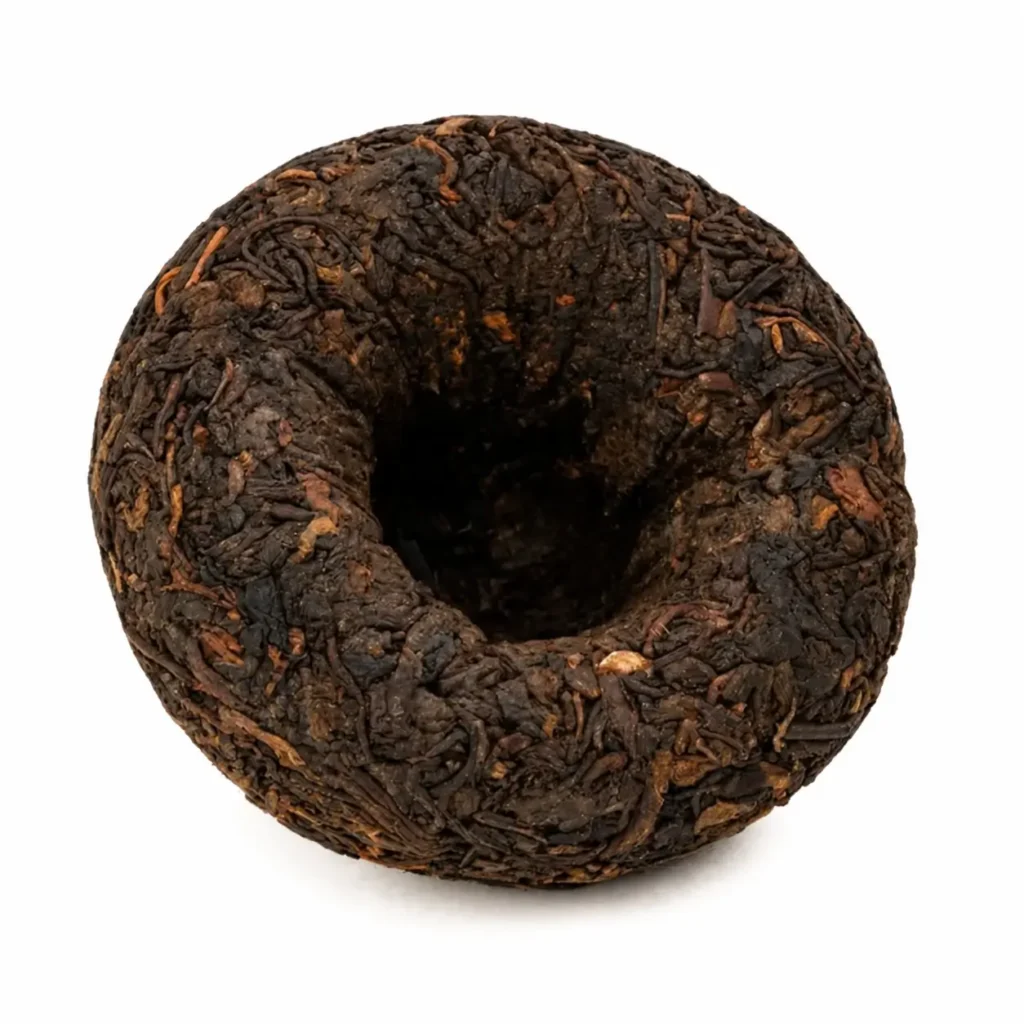
Deep Relaxation and Stress Relief (GABA, Aged Teas, Dark Oolongs)
It clears the chaos from your thoughts, relieves mental fatigue after a difficult day and helps you switch into rest mode.
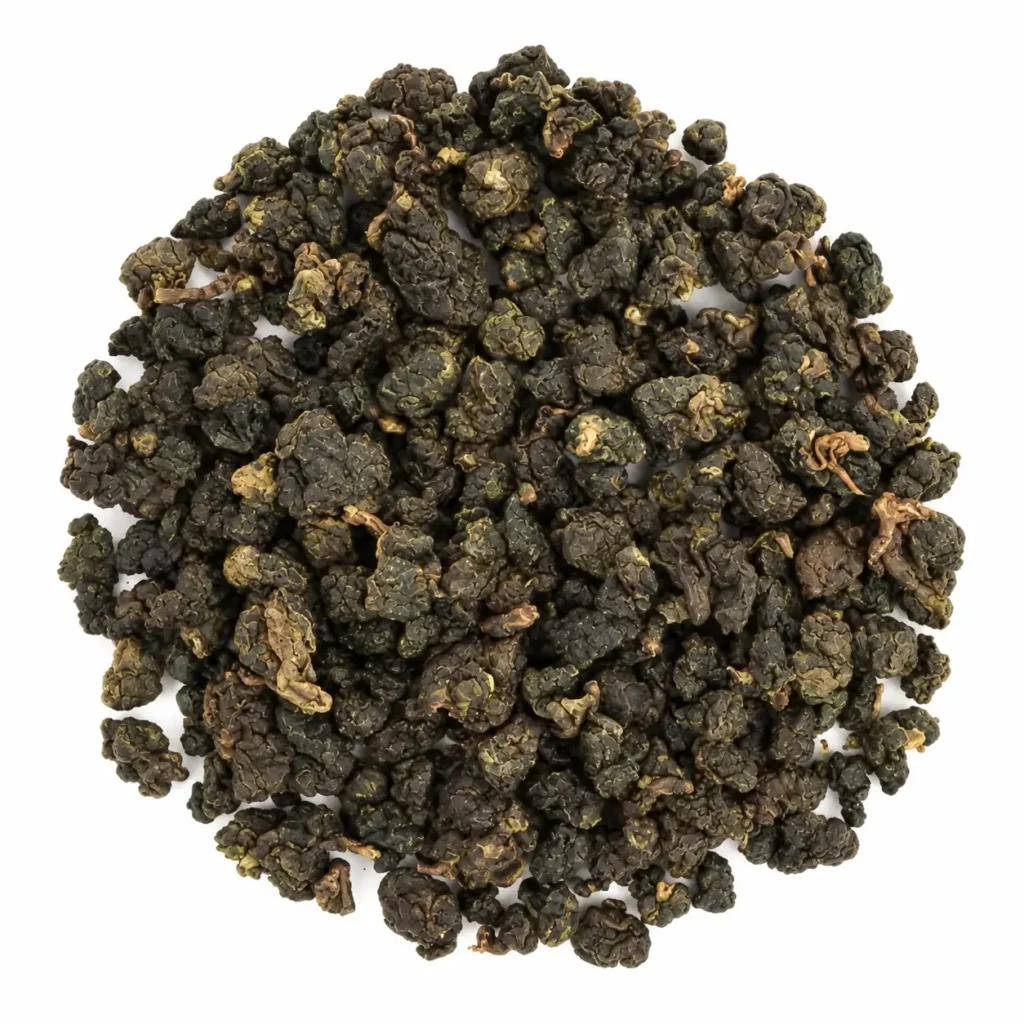
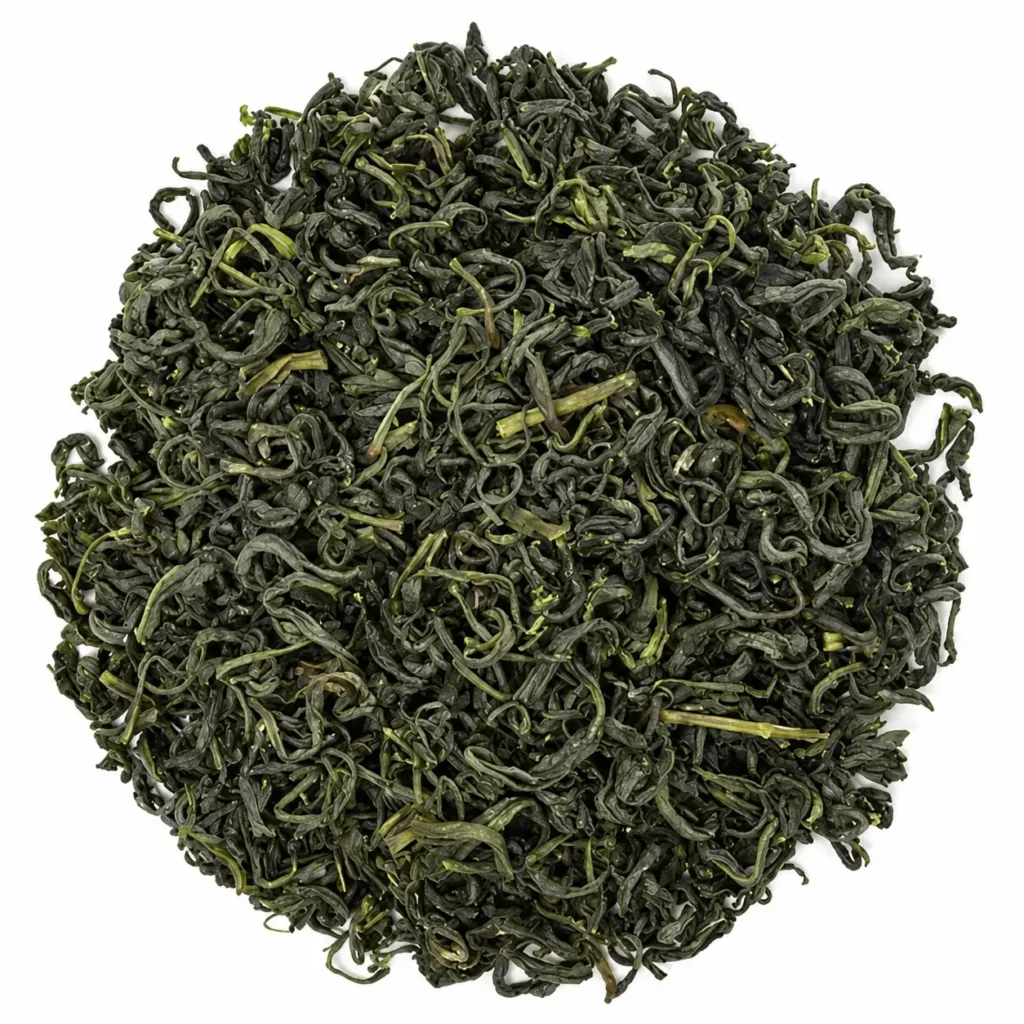
Freshness and a “Clear Head” (Green Teas, Light Oolongs, White Teas)
They bring a feeling of light joy, improve your mood, quench your thirst under the Egyptian sun and create a sense of renewal.
Practice: The “Cha Zhuang” State (Tea Presence)
This state of tea presence can be experienced by absolutely anyone. It does not depend on the type of tea or your habits.
It is an aesthetic and meditative state in which you slow down, enjoy the aroma rising from the tea bowl, observe the leaves unfurling and experience the present moment with a deep sense of peace.
How to practise tea meditation at home:
- Set aside some time. Find one hour when no one will distract you with tasks or worries.
- Prepare your space. Take out some beautiful tea ware and choose your favourite tea. Inhale its aroma from the packet, pour the leaves into the teapot and shake it gently so that they are distributed evenly.
- Warm the leaves. Let the tea rest in the warmed teapot for 2 minutes, then inhale the aroma again as it begins to unfold.
- Focus on the present moment. Pour in hot water. Try not to think about problems or tasks, and do not let your thoughts drift into the past or future — simply wait for the tea to brew.
- Engage your senses. Pour the tea into bowls. Inhale the steam first from the teapot, then from the cup. Notice how the warm aroma enters your nostrils and gently surrounds them.
- Experience the taste. Slowly take a sip and put the cup down. Close your eyes and focus on the taste without adding associations with familiar foods or products. Try to experience the flavour exactly as it is in the present moment, and let it go when the aftertaste disappears.
Repeat this ritual several times. You will notice how the tea changes with each infusion and discover its unique character. After completing all the stages, a genuine sense of calm and a good mood will come to you — you simply allow your mind to relax and give yourself some time.
Caution: “Tea Overload” (When You’ve Had Too Much Tea)
It’s important to remember that tea is an active beverage. Drinking too much strong tea—especially green teas or young sheng pu-erhs—on an empty stomach can cause unpleasant effects:
- Dizziness and mild nausea;
- Cold sweats or trembling hands;
- Stomach discomfort.
What Should You Do If This Happens?
Drink a couple of glasses of clean, warm water. Eat something sweet, such as dates, dried fruit, or a piece of chocolate, or have a filling snack. Then lie down calmly in a comfortable position—the symptoms should pass within 10–15 minutes.
Where to Start?
Chinese tea doesn’t “get you high” or cloud your mind—it clears your thoughts, provides natural alertness, and helps you feel balanced every day.
If you’d like to choose a tea to match your state of mind—for work, peaceful evenings, or meditative tea sessions—visit our catalog or order our tasting set.
We’ll carefully pack and deliver your tea anywhere in Egypt (Cairo, Hurghada, Dahab, Sharm El Sheikh, Alexandria, Luxor).
Message us on WhatsApp — we’ll be happy to help you choose the tea that best suits your goals!